Virginia or, more specifically, the Monticello wine region, has quickly become a wine destination in the United States with historic and European ties that’s worth a visit. Flying into Richmond, it’s just over an hour drive to Charlottesville, which is the heart of this small but mighty wine region, fanning out across nearly 50 wineries. Here’s where we went and some tips to help plan a visit.
Wineries
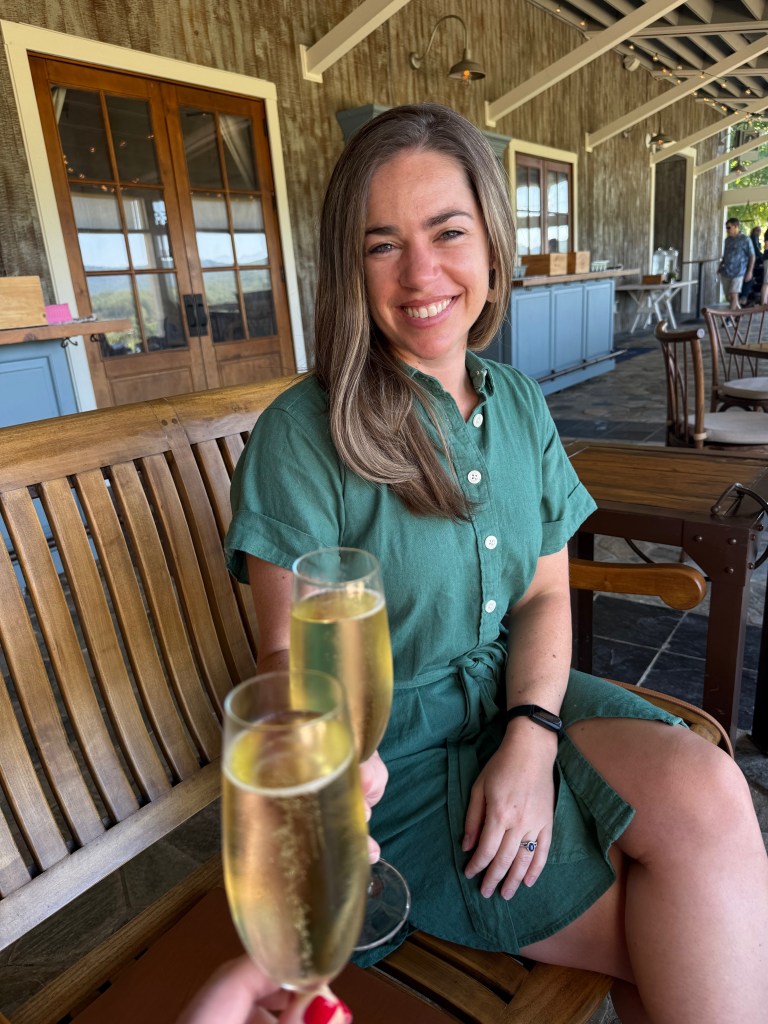
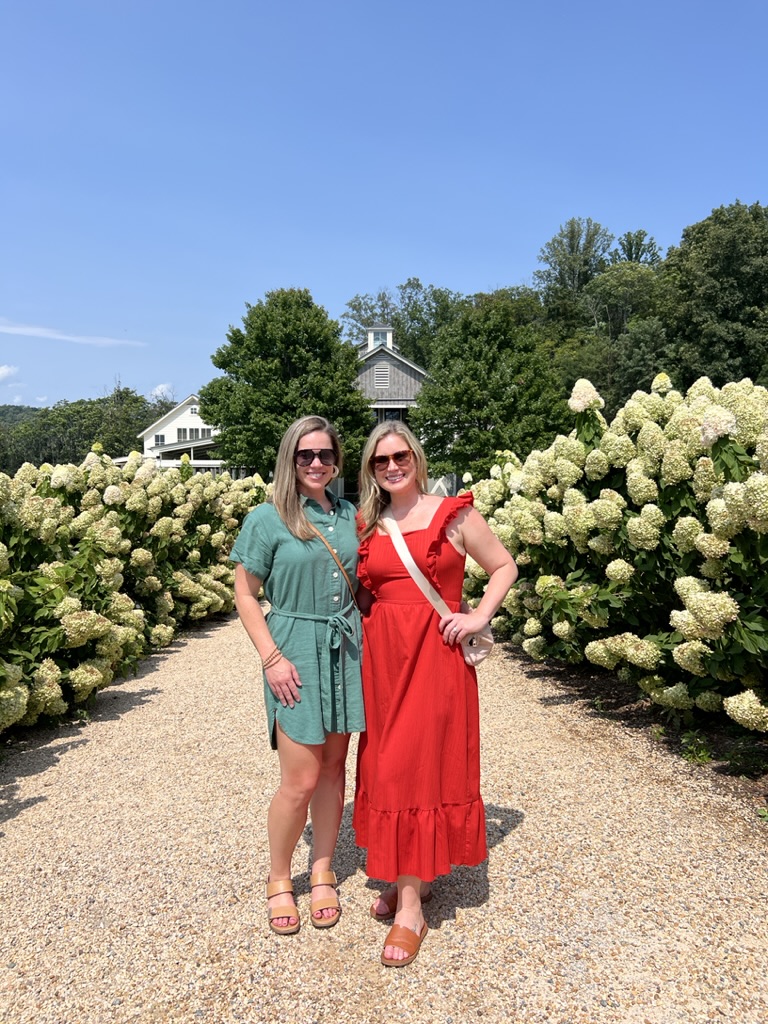
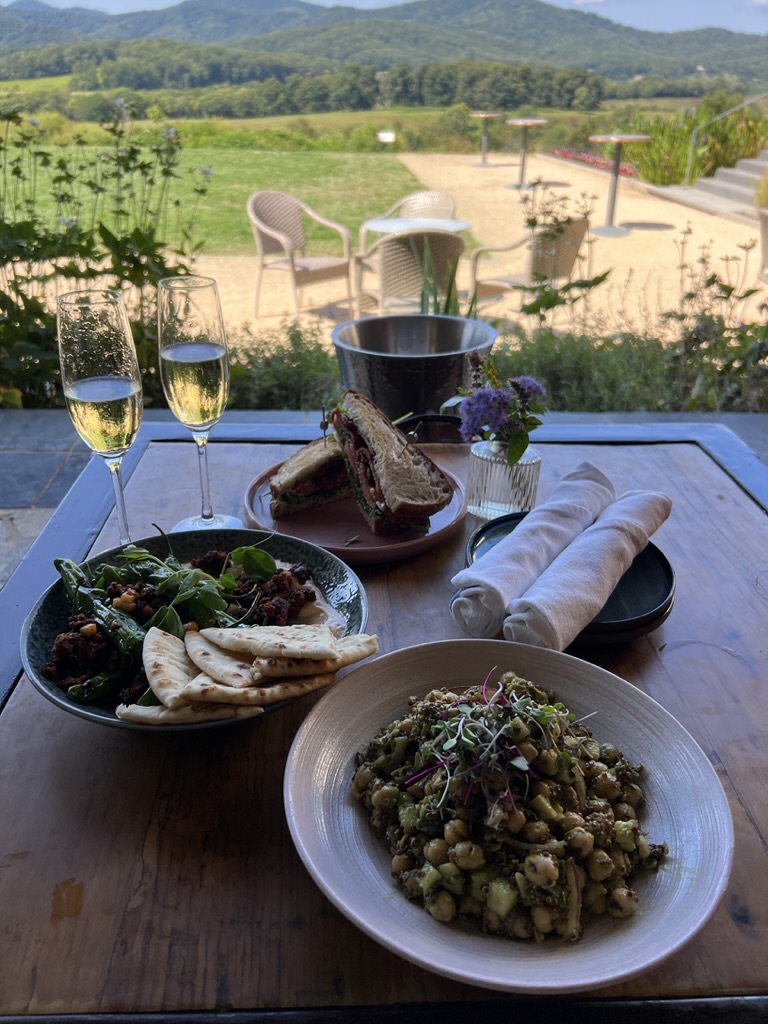
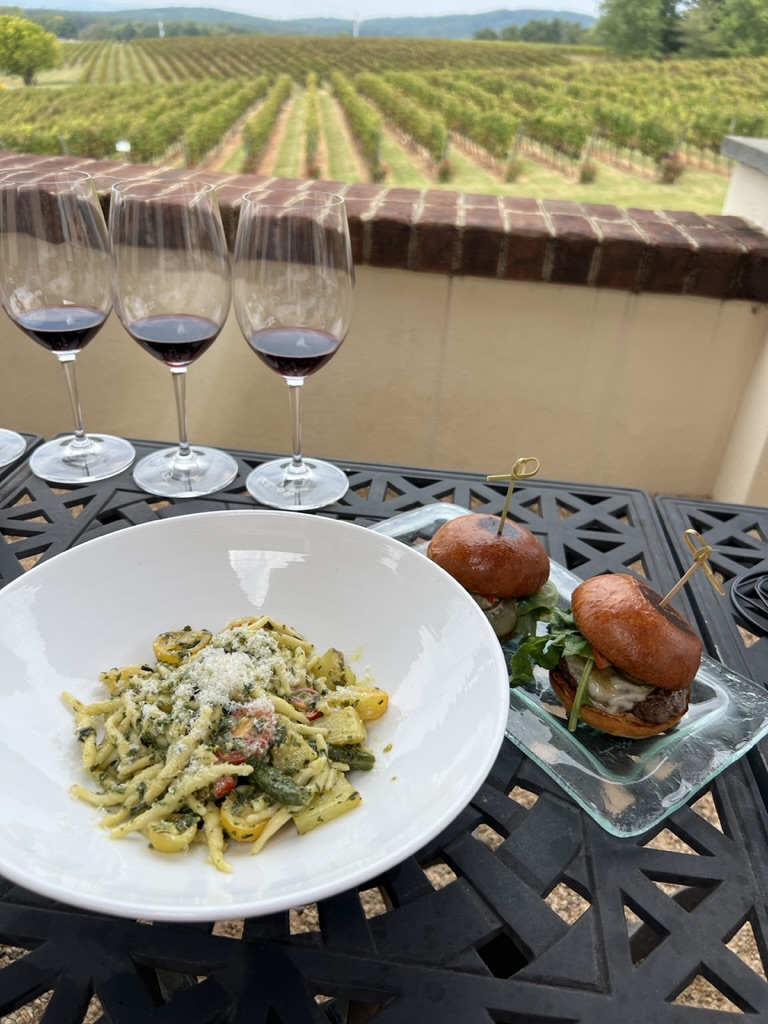
📍Pippin Hill Farm – Boutique winery with farm to table dining and a beautiful property that offers classes, tastings, and chef dinners. They have a great wine list, several of which are award wining and estate grown, a full menu of fresh and flavorful food, and are really thoughtfully prepared for your visit. I’m still dreaming about the Heirloom BLT! 8/10
📍King Family Vineyards – No frills winery that prioritizes excellent wine and its onsite polo matches. You won’t be wowed by the hospitality but the wine really speaks for itself. Don’t sleep on the Crosé! 7/10
📍Eastwood Farm and Winery – This place feels way more like a brewery or cidery than a winery, which is great but wasn’t quite what we were looking for that day. The wine they’re serving is okayyy, but definitely a great space to hang with friends and family. They often have food trucks and seasonal menus as well as indoor and outdoor seating with a beer hall setup and a stage for live music performances. 5/10
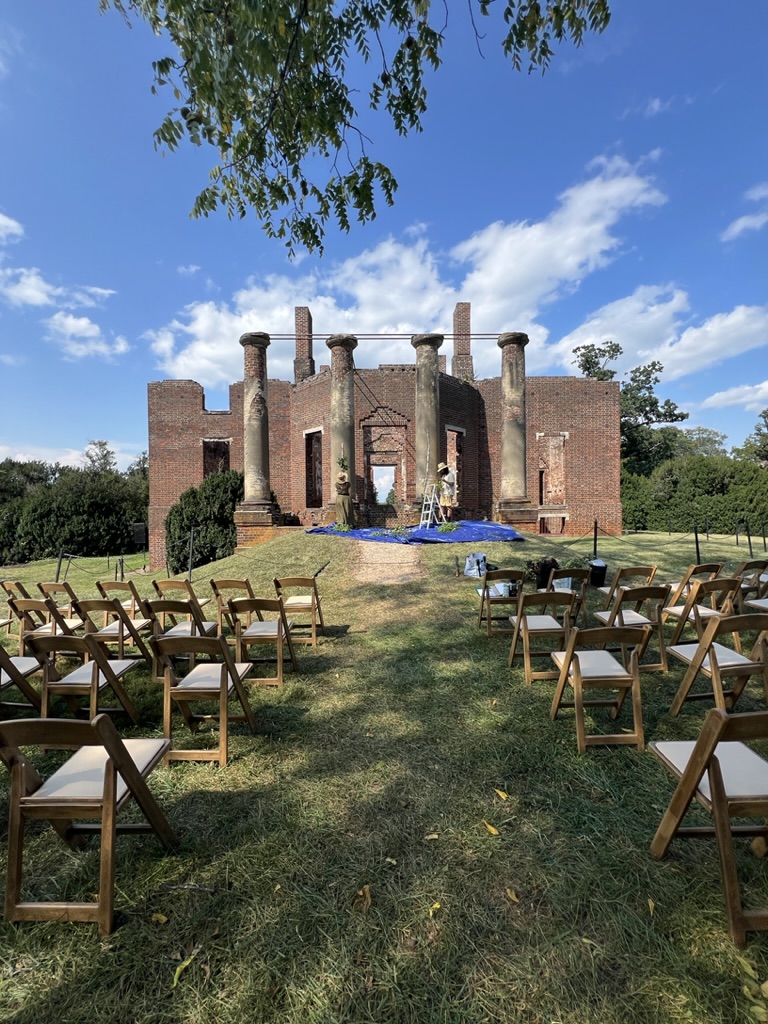
📍Barboursville Vineyards – Italian-owned vineyard that’s a large producer and multi award winner who allegedly supplied William and Kate with wine for their wedding. This winery features a wide selection of Italian wines and an onsite Italian restaurant with stunning views that make you feel as if you’ve transported to a European vineyard. The winery was established on a historic property with ruins from a mansion designed by Thomas Jefferson for the governor of Virginia back in the early 1800s. The mansion suffered a fire years later but the structure remains. While this winery is nearly a 30-minute drive from Charlottesville, it is absolutely worth the visit. Try the Vermentivo and the Octagon (and everything else!). 10/10
📍Early Mountain Vineyards (Honorable Mention) – Didn’t make it to this one but really wanted to visit. It’s a producer that I’ve heard several people in the wine industry discuss and am super bummed I didn’t make it.
Getting Around
You can easily use ride share to visit the wineries that are about 15-20 minutes out from Charlottesville, but anything further gets dicey. We had to cancel a reservation to a second winery on day two because we could not secure a car and it took several attempts over an hour before we were able to find a ride back to Charlottesville from Barboursville Vineyards. When the winery staff noticed us still hanging around a while after saying ‘bye, they were shocked that we were even attempting to find a ride share that would “come out this far”.
On the other hand, if you’re planning to drive yourself, be extra careful of your wine intake. The region is hilly, the roads are winding and narrow, and VA police are always around. Probably the best option would be to hire a driver/book a wine tour instead, especially when traveling with a group.
Often landing among the top destinations for a honeymoon, my (newly minted) husband and I selected Greece for our two-week trip and would do it all over again if we could. With a late April wedding, we hit the Greek Islands a little earlier than most, just as several of the islands were waking back up from shuttering for the off-season. I actually had a travel agent tell me that she wouldn’t help us book anything before May 15, suggesting that the islands would still be mostly closed, but that’s a story for another time.
Here’s how we spilt up the two-weeks:
Santorini – 3 nights
Paros – 3 nights
Milos – 3 nights
Athens – 2 nights
Santorini
Santorini is undoubtably a very popular honeymoon destination on its own thanks to its romantic setting and was our first stop. After arriving into Athens, we hopped on a short flight to the island directly and checked into our room at Above Blue Suites just in time for sunset. This place was magical – the island itself, the views, our hotel – wow! It was the perfect way to kick off our two weeks in Greece.
Also, they served us the best breakfast we’ve ever had and we are not breakfast people but every day they brought a giant tray full of way too much delicious food to our room, including glasses of sparkling wine, and we could not say no. We then talked abut how much we missed those breakfasts for the remainder of the trip. I still talk about that Greek yogurt and honey…
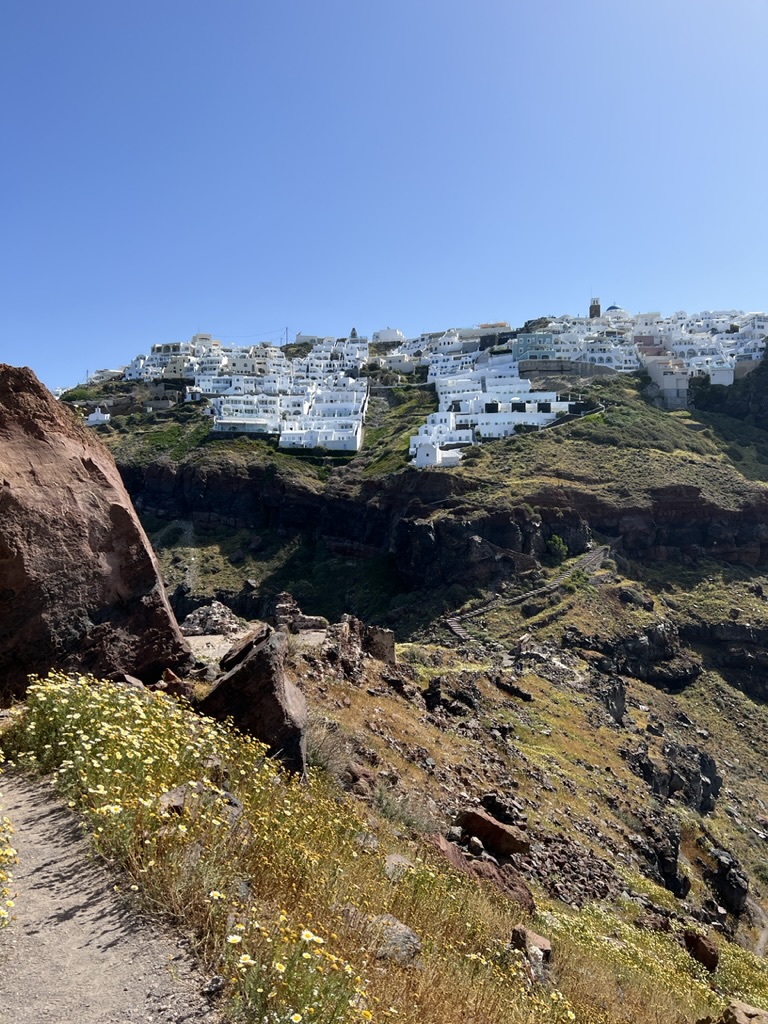
Being that it was the end of April, the island of approximately 15,000 locals was still decently quiet. Santorini is not a large island – it’s hilly with rocky terrain, mostly shrubbery for vegetation, and the towns themselves aren’t exactly walking distance. We decided to rent a 4×4 to explore and easily navigated the one lane highways between towns. As we spoke with locals though, we learned that in peak summer, Santorini often swells to 130,000 people from all the tourists arriving by ferry, plane, and cruise ships. Between the rising temperatures and hordes of people, I could not have imagined enjoying our stay if we had arrived later and was so grateful we were there when we were.
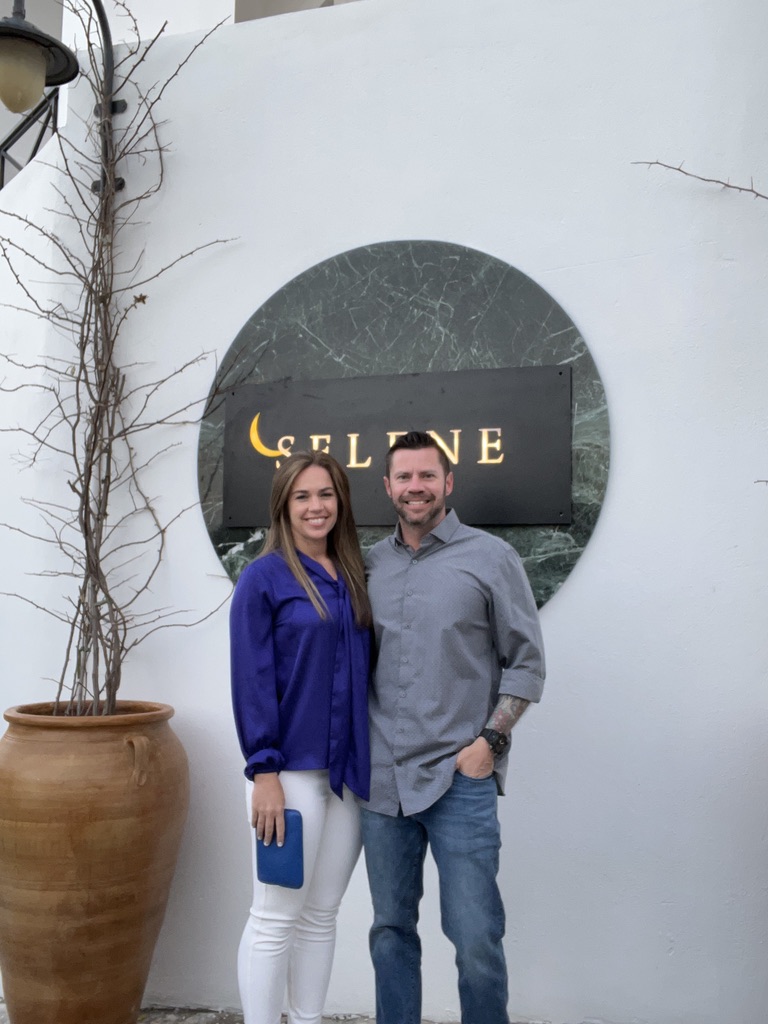
For our second night, we opted to dine at Selene in Fira, an upscale restaurant with a prix-fixe menu that was priced at significantly more than we’d ever spent at a restaurant but was a meal we’ll never forget. It was our honeymoon after all! The multi-course experience was incredible, with thoughtfully crafted dishes that progressed beautifully from one to the next. While I skipped the photos, I will say that if you’re looking to enjoy a special dinner, I would absolutely recommend this place.
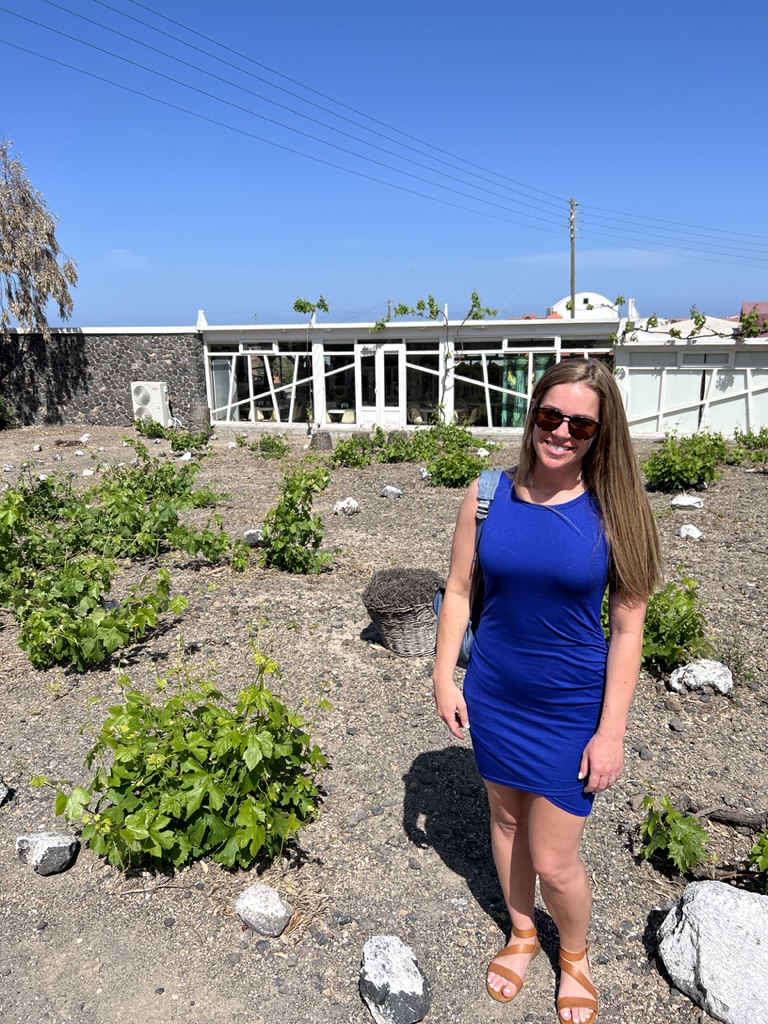
One of my favorite activities while traveling is to book a wine tasting tour and Santorini was the perfect place for it. Given that the island is made entirely of volcanic soil, I knew it was a unique location for grape-growing but was surprised by how much more I learned while on this tour. Not only is the terrior unusual, the island also receives significant sunshine and wind due to its location in the Aegean Sea and so the wine makers learned to grow the vines in a basket shape to help protect the grapes from these conditions. The wine produced here is often crisp whites that are high in acidity and perfect for summer sipping.
Santorini is also the place where we began our obsession with gyros. Before leaving for Greece, I told Andrew that we’d probably be eating gyros every day for lunch and he understandably sighed, saying that he didn’t want to eat the same thing over and over…until he tried one. We were hooked! These affordable lunch options are better than anything you’ve had before (plus Greeks add fries inside!) and we continued to try as many as we could over the course of our two weeks, our favorite out of all of them being Lucky’s in Fira, Santorini. Don’t sleep on these – so flavorful and delicious!
Paros
After checking in to our ferry online, we departed Santorini for a quick ride to Paros with Blue Star Ferries. I can’t say I knew a ton about Paros before arriving but, when researching other islands to visit, it came highly recommended for its nightlife options and local feel. Paros turned out to be even better than I’d imagined. The island is mostly flat when compared to Santorini which meant we could easily walk and dine along the water of the town, Naousa, we were staying in.
We stayed at the Adonis Hotel & Apartments, which was within walking distance to the center and, although there was construction nearby, was a relatively quiet and relaxing place to stay. They also gifted us with a bottle of bubbles upon arrival and had a bartender available to mix up some solid gin and tonics each day. The staff also helped us rent a car to see more of the island one day which was an adventure all in itself. Again, I was grateful that we weren’t there with the crowds as it would have been more expensive and far more difficult to manage.
Among my favorite things about Paros was finding great dining, bars and shops in the central part of town. We stumbled upon an incredible bar called Kosmos and went back again the next night for another round of craft cocktails expertly mixed up by the owner. Everything stays open late there – boutique shops included – and by late I mean well past midnight, which meant I was stopping for gelato on the way back to our hotel at the end of a night out.
Milos
Next up was Milos and, while we didn’t get to explore this island nearly as much, we did experience hands down the best tour I’ve ever been on anywhere while we were there. I’ll share more on that shortly…
After taking a taxi from the ferry port, we checked in to our apartment at Orizontes Studios and headed down to the pool to get a feel for the place. There we met the owners, a husband and wife duo who was absolutely lovely. They have a bar/restaurant at the pool and over the next few days we spent a lot of time getting to know them and eating there delicious food. The hotel itself is small, just outside of town, and quiet. It wasn’t as walkable compared to Paros but we did explore a few hiking trails that kicked off just beyond the property line (and properly got lost and/or trespassed trying to navigate the trail).
We mostly used taxis to explore and quickly realized that this island had not completely reopened yet from the winter months. Several of the shops and restaurants we passed either had limited hours or a sign up saying that they’d be reopening within the next few days. We did find some great restaurants though, including Nostos which serves incredibly fresh seafood dishes right along the water.
Easily the best part of Milos, and our trip overall, was the full-day catamaran tour we booked with Oneiro Cruise. With about 12 of us on board, we spent the day cruising around the island and further out to sea to access some of the best caves and swimming spots that are only accessible by boat. Our captain grew up on the island and was incredibly knowledgeable, sharing bits of history and facts throughout the trip. At each stop, we would anchor down and then take turns hopping into a smaller dingy to get a closer look at the caves, beaches, and bays. The crew was so friendly and kept our bellies full with unlimited beverages, snacks, lunch, and an afternoon treat that consisted of barbecued octopus and other salty snacks to pair with a glass of ouzo. It was such an amazing time on the water and is a tour that I brag about to anyone who asks for my recommendations when visiting the islands. Highly, highly recommend!
Athens
Our fourth and final stop on our two-week adventure was Athens and woah, it was quite the culture shock after spending a week and a half around the idyllic Greek islands. Athens is much like any large city, loud, grimey, densely populated, lots of activities and then it’s not like any other city at all.
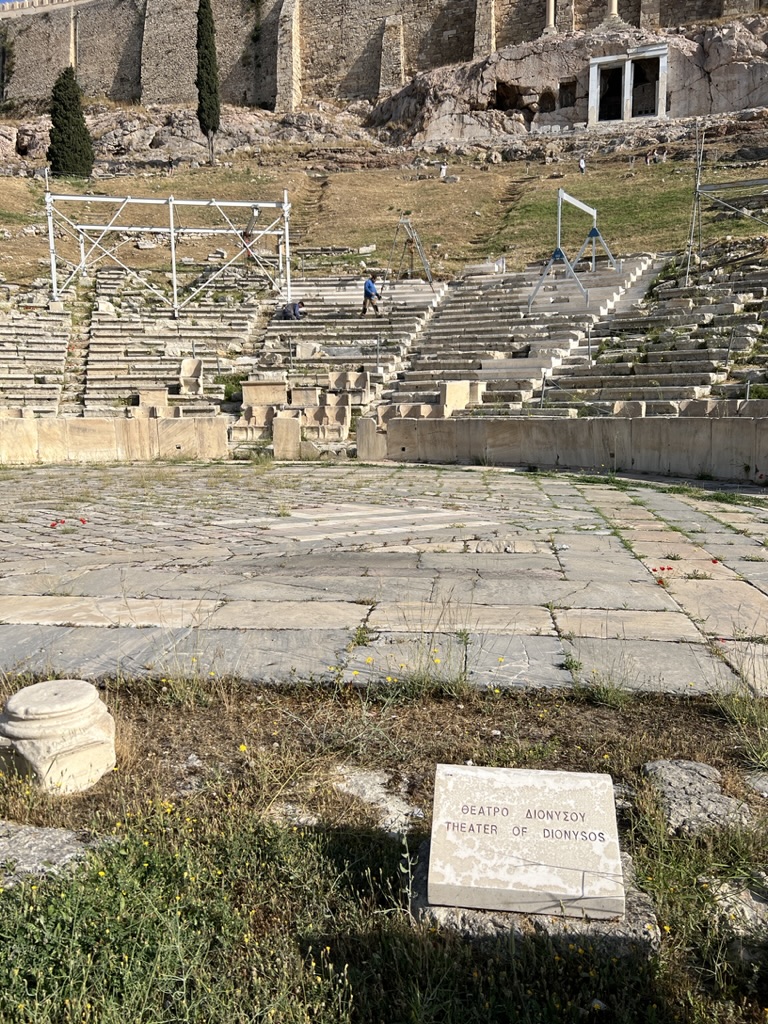
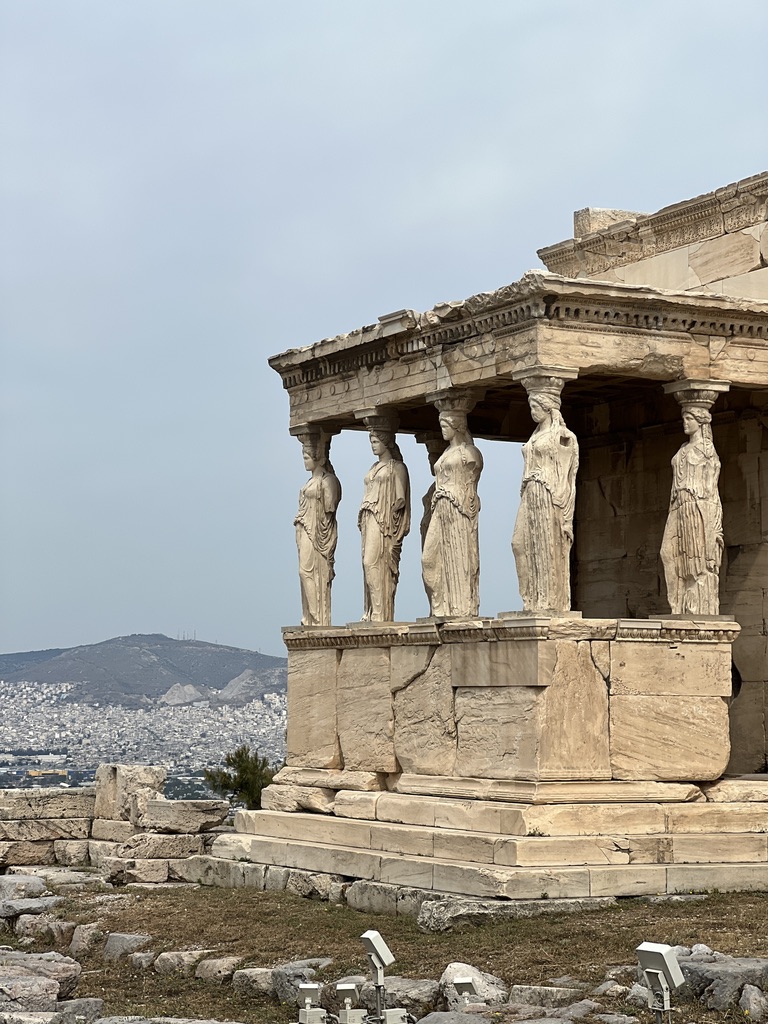
Athens is home to several historical landmarks, including the Acropolis and Parthenon as well as many Greek ruins scattered throughout the city. Given its historical significance, we were surprised to see a large amount of graffiti around the city, including on and around historical sites. It is absolutely common to find graffiti in a city but the amount of it and where was particularly shocking. We were also surprised to learn that Athens continues to be a city that’s prone to protests and large group demonstrations as we quickly found ourselves in the middle of one that occurred while we were there. There was a substantial police presence as well and it seemed generally peaceful but when we started to notice the crowd forming and the steady flow of police marching down the street toward them, we went in the opposite direction and as far away as we could.
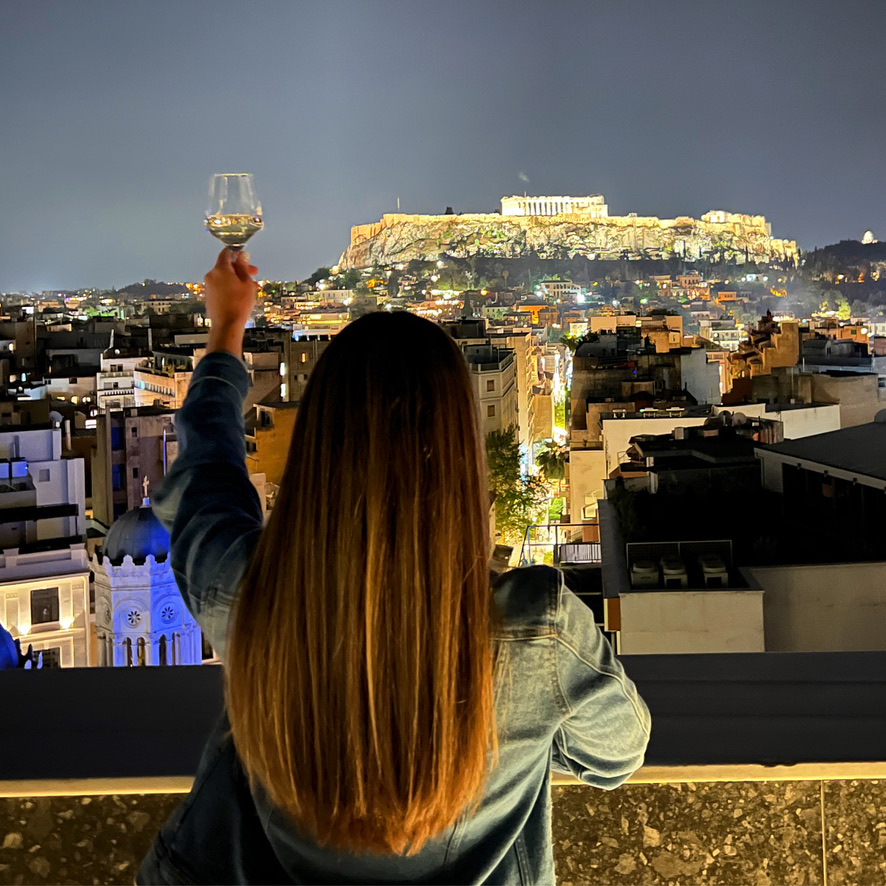
We stayed at The Pinnacle Athens, which had a rooftop bar with excellent views of the Acropolis. We popped up there one evening with a bottle of wine and enjoyed the beautiful city views. The hotel was centrally located we walked everywhere from there, including to meet our Acropolis & Plaka Guided Walking Tour. This tour was very informative and hit the right notes in terms of time, amount of walking, and summer heat – book this one earlier in the day to avoid the crowds and to enjoy slightly cooler temps. Our guide shared historical details about several of the archeological sights as we walked up to and around the Acropolis and ended the tour in a neighborhood on the other side of where we started. It is a lot of walking and may not be entirely friendly for those with mobility issues but that would be true for anyone visiting the Acropolis as there isn’t a really easy way to get up to the top – well worth the visit though. The historical sites are amazing and there were so many more up there beyond the Parthenon that I knew little to nothing about. Greek mythology has always fascinated me and our tour guide did a great job sharing more of the tales that inspired the creation of these monuments and sites.
I am honestly not sure I could have imagined (or planned) a better trip! Between the relaxing islands, generous Greek people, fantastic food, historical sites, and what felt like the perfect amount of time in each spot over the two-weeks, this was one of my most memorable adventures. I am so grateful for the opportunity to travel and to experience this trip (and many others) with my forever. Thank you, Greece! You are beautiful!
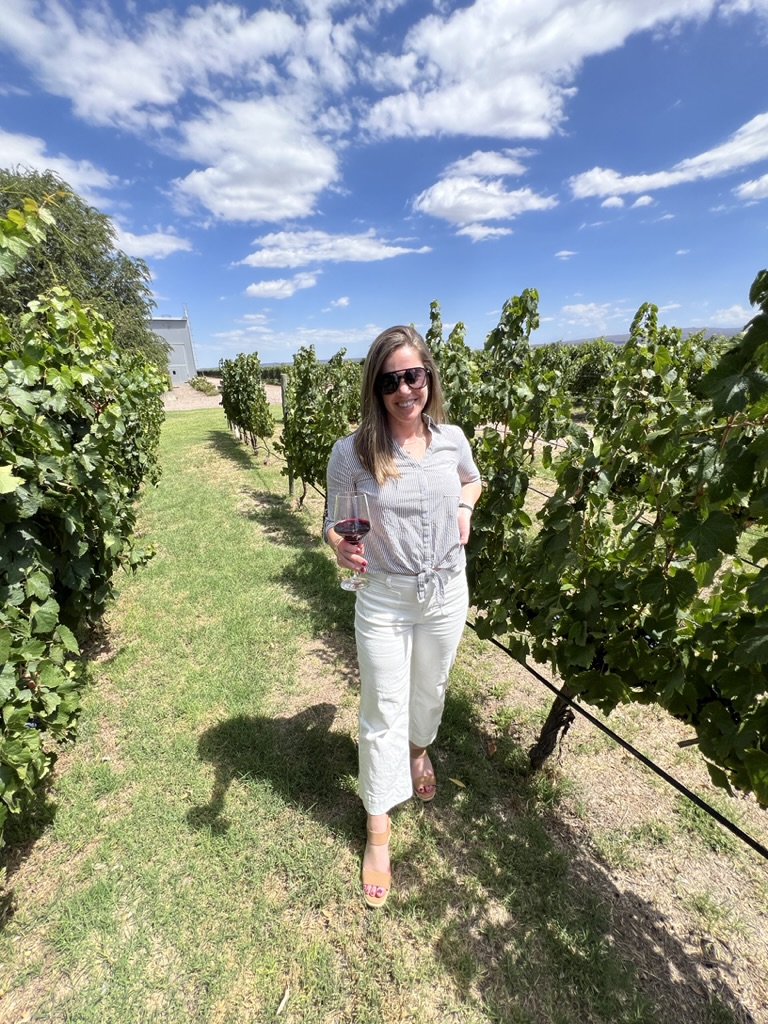
Set against the backdrop of the Andes Mountains, Mendoza is Argentina’s famous wine region best known for producing Malbecs and Cabernet Sauvignon. After cancelling a trip in 2021 due to COVID, we finally made the long journey down to Argentina four years later with a determination to imbibe as much as possible in this new world wine region.
Mendoza is a large province in central-western Argentina with a desert climate that enjoys a lot of sun and dry temperatures. The province produces the greatest amount of wine throughout the country and is comprised of several regions and sub-regions, among them Maipu, Lujan de Cuyo, and Valle de Uco.
I’d read that the wine quality increases the further away from the city (or likely the higher the elevation) so I chose to skip Maipu and plan days exploring Lujan de Cuyo and Valle de Uco instead. If you are staying in Mendoza city, it is much easier to reach the bodegas (wineries) in Maipu and Lujan and there are several tours for these areas too, including bike tours and even public bus options. If you’re wanting to head to Valle de Uco however, you’ll absolutely need a car whether hiring a driver, driving yourself, or with a tour as it’s a much further drive.
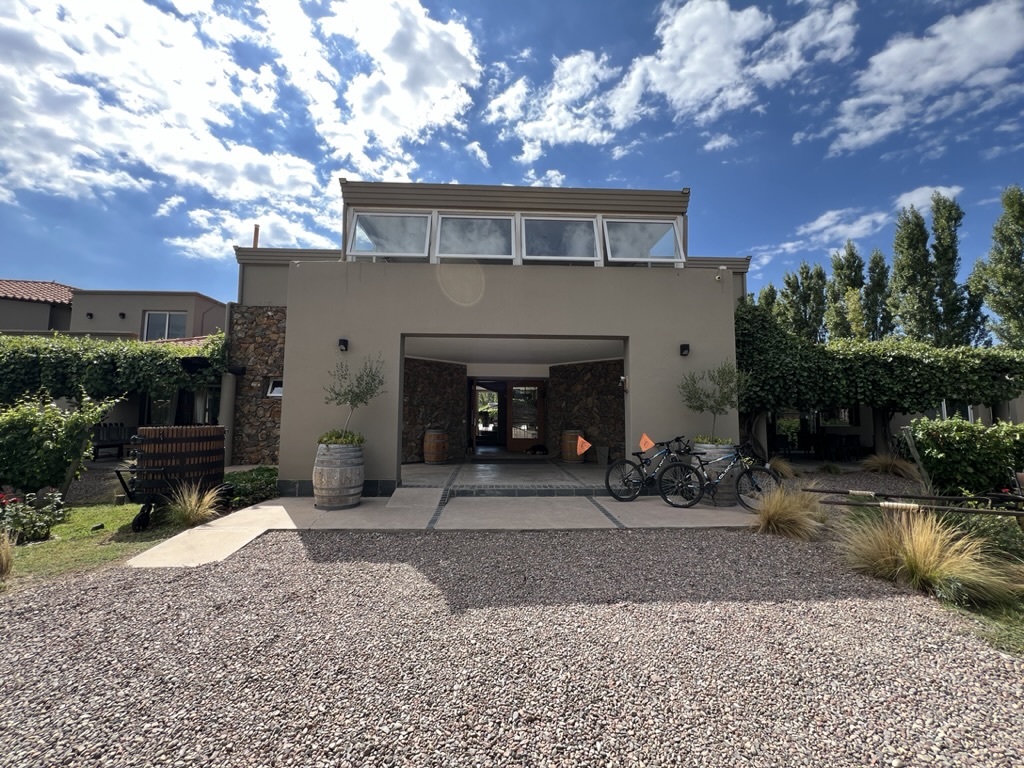
We stayed at Villa Mansa Wine Hotel in Lujan de Cuyo, which is more centrally located in Mendoza and allowed us to use Uber to visit various bodegas around town. Regardless of where, if you’re staying outside of the city center, you’ll notice that the roads are a bit rugged and rural and transportation plans are necessary. There are highways, yes, but the roads quickly become dirt and gravel almost as soon as you exit the highway. This felt somewhat jarring when turning onto a wine property with their grand, luxurious spaces lush with greenery, like a hidden oasis that’s completely separated from the outside world.
Another aspect that was surprising to me was the need to make reservations at ever bodega. Perhaps this was different pre-COVID but you are not able to show up at a property without advance notice. Each bodega was staffed with a guard gate and names were checked. Most bodegas also require you to book a tasting or tour and we were hard pressed to find any that would allow you to enjoy the property and order a glass or bottle on your own. Thankfully most, if not all, of the bodegas use WhatsApp so it was relatively easy to communicate with their teams, ask about tasting options, and let them know when we were on the way.
Lujan de Cuyo
Our first stop was Bodega Budeguer, a boutique winery that focuses on quality wines for local and regional production. The winery is family owned, eco conscious, and pioneers in vineyard technology like using carbon fiber netting to protect the plants from hail and a self-sustaining water supply with a fresh water lake on the property. The bodega offers tours with tastings that circle around the property and showcase their more unique winemaking processes that use French oak and American whiskey barrels during fermentation. While there isn’t a restaurant onsite, there are friendly pups ready to greet you upon arrival. This was a great way to start the day.
Lunch is a popular activity at the bodegas with most offering 3- or 5-course meals with wine pairings. When planning a full day of wine tasting, you’ll want lunch and scheduling it around 1pm is a perfect way to break up the day. Some bodegas also offer an a la carte menu, too. I’d recommend shopping around to determine what makes the most sense for your budget and waistline.
For our lunch in Lujan de Cuyo, we selected Ojo de Agua because of its stunning property and a la carte menu option. The space was prepped for multiple group tours who arrived at various points while we were dining. Plan to spend a few hours for lunch, especially if you’re selecting a multi-course meal, to allow time to enjoy and order more wine, of course! We selected a first bottle to “sample”…and then a second. It’s shocking how quickly the bottles can add up around here. Oh, and lunch was a delicious spread of a prosciutto and tomato bread starter, ribeye steak and a mushroom risotto. We left happy and full. On to the next!
Our third and final stop for the day was Bodega Lamadrid. This bodega was located close to our hotel, recommended by our hotel staff, and informed us that they had a wine bar we could visit rather than booking a full tour. However, this wasn’t exactly our experience…
Upon arrival, we were greeted by one staff member who invited us to find a spot anywhere in the garden area and said she’d be with us shortly. A few minutes later, a second staff member walked over to us with a half consumed bottle of wine, two glasses, and a chilling bucket. Considering we had not ordered anything yet and we certainly didn’t expect to be handed a half consumed bottle, it was odd to say the least but we poured ourselves a glass and enjoyed our time in their beautiful garden area. After finishing the remaining wine, we looked around for staff to order more, even stopping in their wine shop, but never saw another staff member again. So that was that – a strange yet memorable experience and of course the wine was great, too.
Valle de Uco
Our second full day of wine tasting in Mendoza took us further south to the Valle de Uco. We hired a driver for the day, which allowed us to keep our schedule more flexible than if we’d booked a tour. We visited two bodegas in this area: Solo Contigo in the morning and Bodega La Azul for lunch.
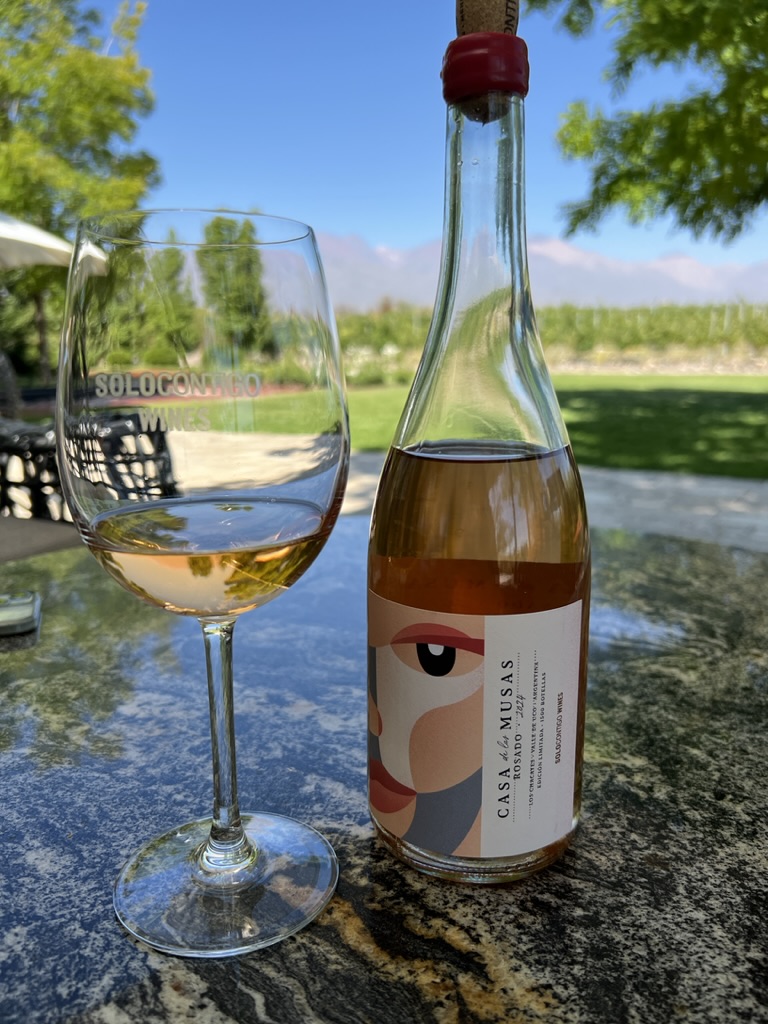
Solo Contigo was set among several other bodegas in a gated compound and offered a beautiful spread of wines and impressive mountain views. The staff allowed us to taste a few before selecting a bottle and honestly, it was difficult to choose. These wines were all excellent and interesting. We selected a bottle of rosé and a set of lounge chairs on their patio space. With the exception of another couple on a private tour, we were the only people there.
Our second and final stop for the day was Bodega La Azul. I’d read stellar reviews about lunch at this winery and made a reservation far in advance to make sure we didn’t miss out. There were 3- and 5-course options with wine pairings and we selected the 3-course. This winery is a popular lunch location as the entire property was packed with guests and they had live music throughout the afternoon.
First, the food was absolutely excellent. We were offered a few choices for the main – I selected chicken and Andrew selected steak (of course). The chicken was the juiciest I’ve ever had and the portion sizes were tremendous as well. As for the wine, to be honest, this wine was my least favorite of all throughout our entire trip, but the environment and food more than made up for it. And let me also add that this bodega is especially generous with the wine. The pairings were meant to be a glass per course but, after pouring each of us a full glass of wine, our server left each bottle at our table to consume and then asked at the end if there was anything else we wanted to try. We asked to try a sparkling in addition to the THREE bottles she’d left for us. We loved the whole experience, including the sweet yet wild momma dog that stopped by for scraps, and kicking off a little dance break between courses. Highly recommend this meal!
As you can imagine, after that much wine I was done and ready to head back to our hotel. This wasn’t the end of our wine journey but it was the last stop in Mendoza.
Final Thoughts
Given Mendoza’s reputation, I expected to drink a lot of Malbec, however the summer months are especially hot and I was grateful for some rosé options, slightly chilled reds, a few sparkling, and several delicious white wines, too (like Torrontés, which is only grown in Argentina). We really enjoyed our time in Mendoza and with so many bodegas throughout the province, you really can’t go wrong. Cheers!
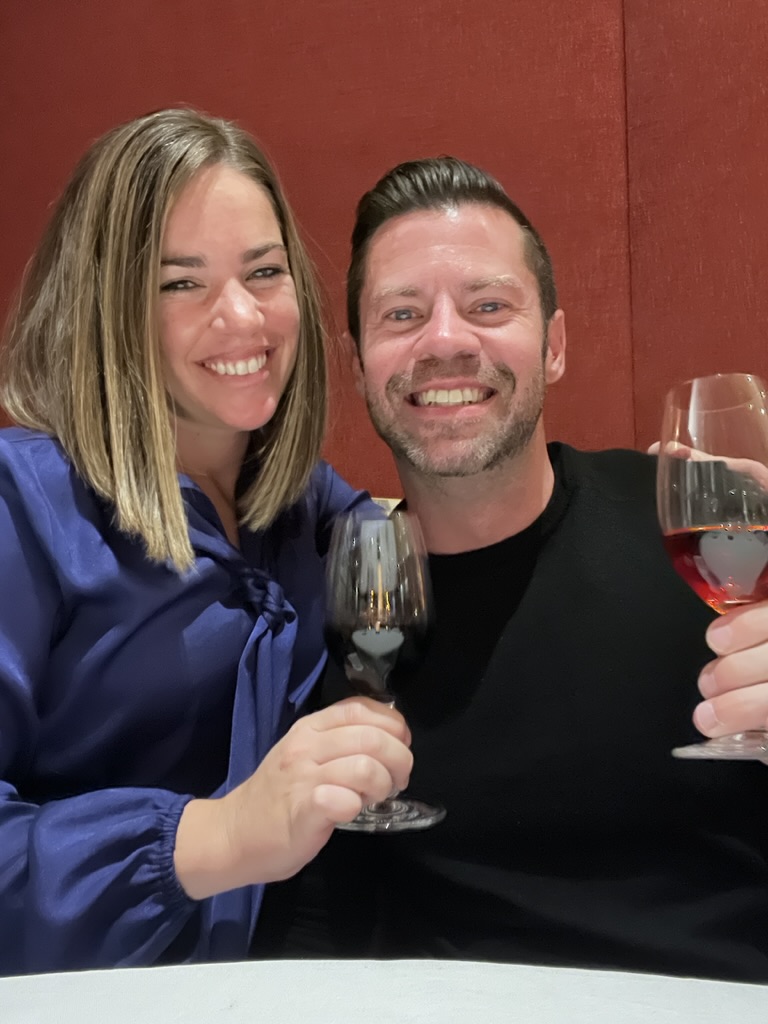
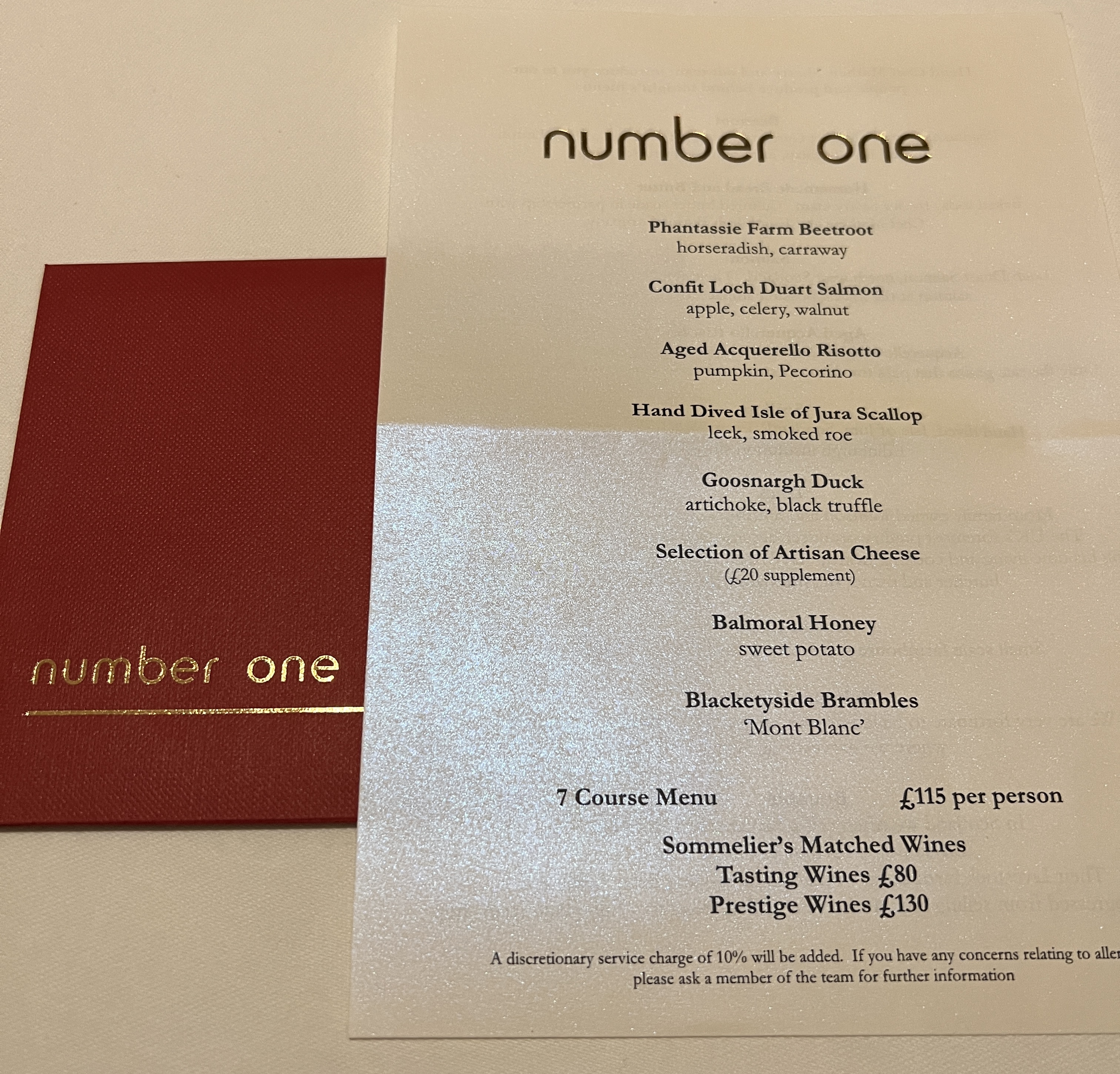
My husband and I like to book one fancy meal on each trip we take and, for our quick trip to Edinburgh, we selected Number One, a Scottish fine dining restaurant located in The Balmoral Hotel. After reading a handful of reviews, previewing the tasting menu, and learning that the Executive Chef was the head chef of a Michelin-starred restaurant in Edinburgh, I knew this was our place.
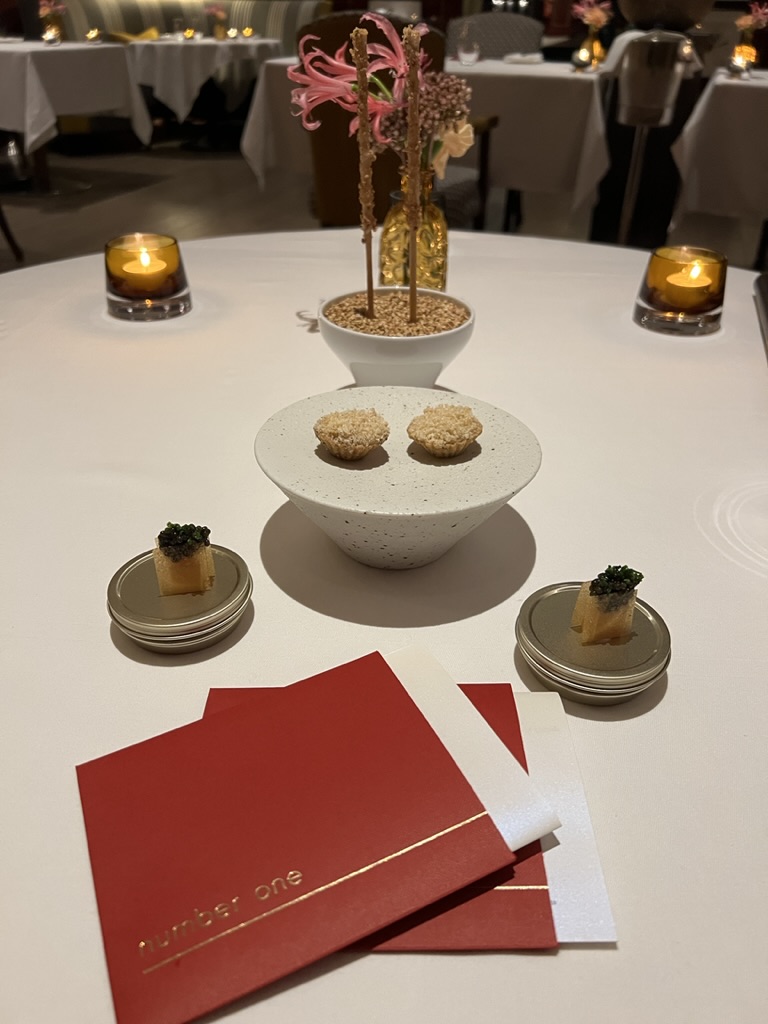
As expected, the hotel itself was both historic and luxurious. We intentionally arrived early to allow ourselves time to wander, take in the scene, and grab a drink at the hotel bar (equally brilliant) before heading into the restaurant. We were greeted at the entrance and escorted to our table where an amuse-bouche and our tasting menus awaited.
Already impressed, our charming server talked us through the general progression for the evening and provided us with a drink menu for whenever we were ready for our next beverage. Andrew was excited to try some scotch, so we skipped the wine pairing.
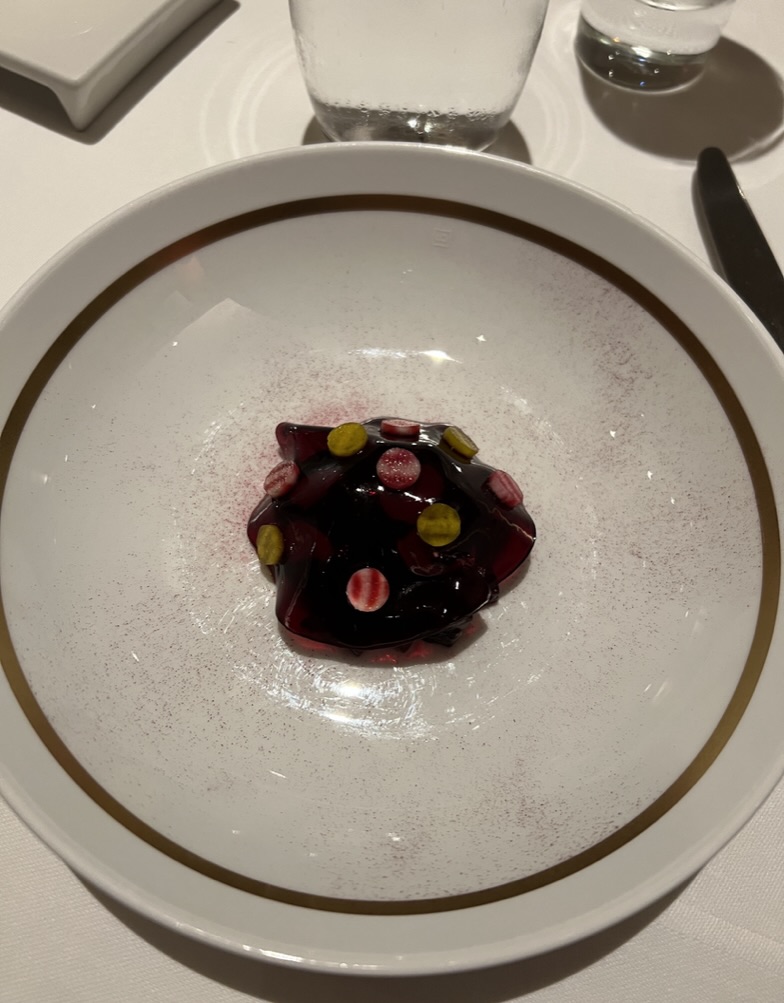
The plates followed shortly thereafter and continued throughout the evening at the perfect pace. Each one was unique in flavor, color, and taste with the hand dived scallop from Isle of Jura and the goosnargh duck being among my favorites.
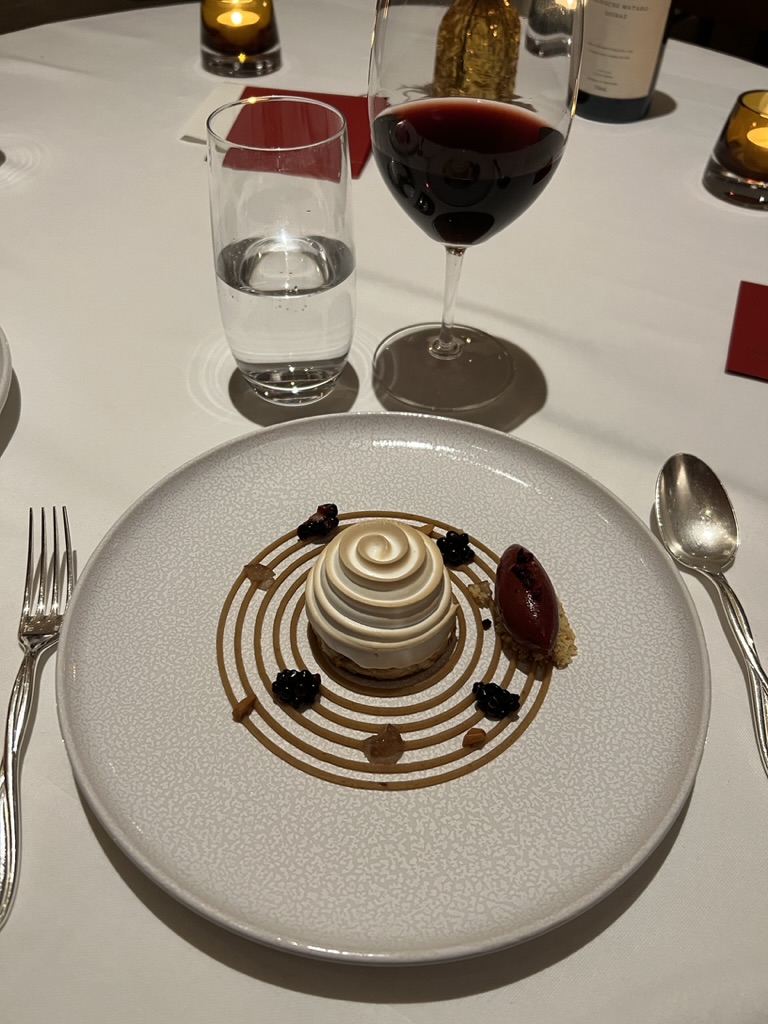
And, for an added touch, we also received a few additional sweets, including chocolates and a small dessert in take-home box ready to go. We were incredibly pleased with the variety of food, portion sizes, and extra surprises as well as the high level of service we received from the entire staff throughout the night.
Unfortunately we were seated near another (obviously) American couple dressed very informally and who spent much of the meal complaining. I’m not sure what they were expecting or if they’d ever experienced a tasting menu before – my guess was no as the portion sizes can be a shock if you’ve never done one before – but we did our best to ignore them and enjoy the truly beautiful meal and evening.
This restaurant is a tremendous value and an experience that I would recommend for anyone interested in an elevated, locally sourced, Scottish meal.
Located in the Basque Country of Spain, San Sebastian is a coastal town near the border of France that boasts the most Michelin-starred restaurants per capita in Europe making it a foodie heaven. While the rest of Spain is known for tapas, San Sebastian refers to their small snacks as pintxos (PEEN-chohs) and indulging in these culinary delights is part of the town’s social and cultural traditions.
The best way to enjoy these perfect snacks is by planning a pintxos crawl either on your own or by booking a tour. While I love a good food tour, it can also be fun to plan a little DIY from time to time and, with everything in close proximity and several resources available to help you map it out, it’s easy to plan your own.
Know Your Pintxos Basics
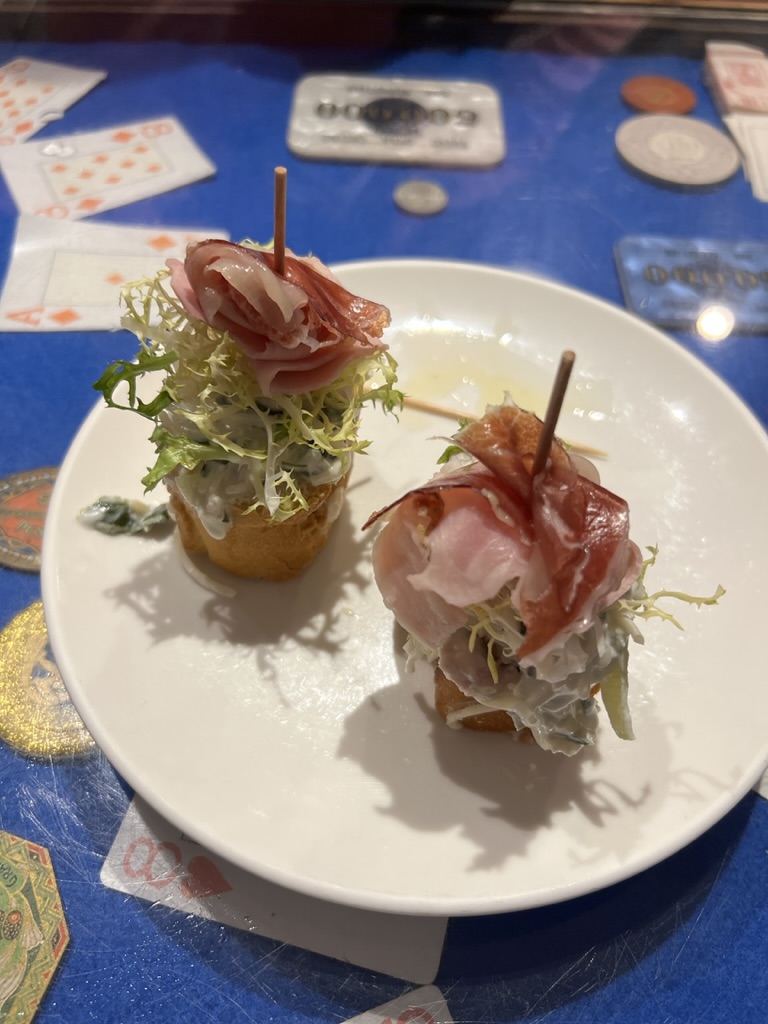
Before diving into the culinary adventure, it’s essential to understand what makes the pintxos culture unique. Pintxos are appetizer-sized portions or bites that can be served on bread and secured with a toothpick or served as small dishes. Pinxtos come in endless varieties—from traditional Basque dishes like salted cod (“Bacalao”) and Basque sausage (“Txistorra”) to modern interpretations with seafood, vegetables, and meats.
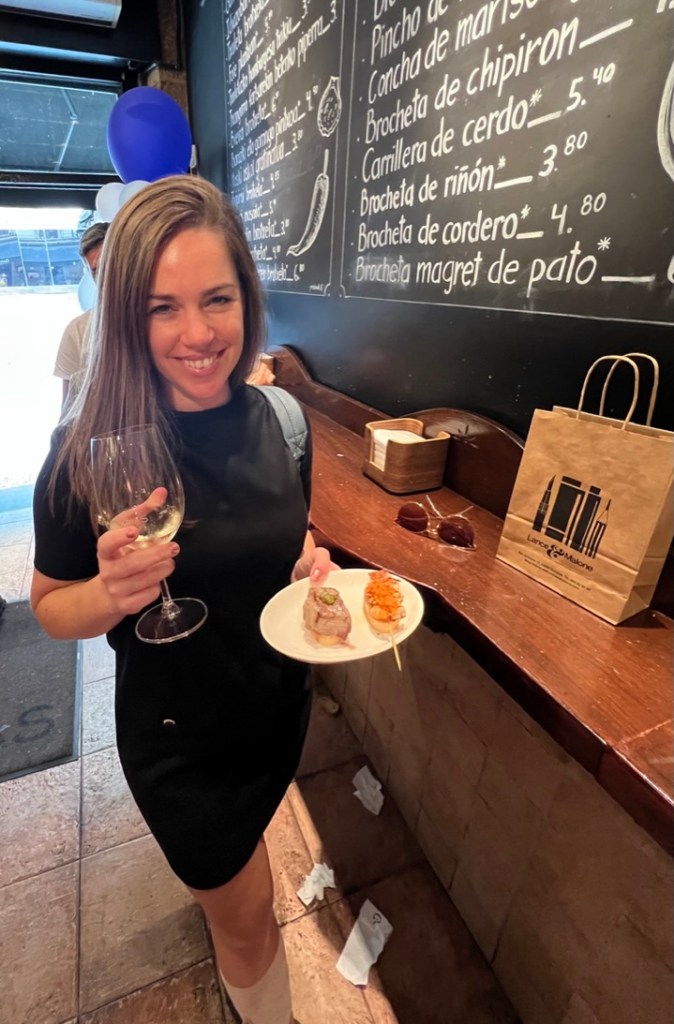
Pintxos pair well with a glass of the traditional Basque cider or white wine known as txakoli (cha-koh-LEE), poured theatrically from a height to enhance its effervescence. Locals and tourists alike will hop from one bar to the next ordering a snack and a glass at each for just a few euros a piece making the pintxos crawl a fun and cheap way to experience the culture while tasting the flavors of the region.
Speaking of, pintxos culture in San Sebastian has its own rhythm. Lunchtime pintxos crawls typically start around 1:00 PM and continue until about 3:00 PM, while evening crawls kick off after 7:00 PM and can last well into the night. Spaniards love to socialize over pintxos, so expect lively atmospheres where standing shoulder-to-shoulder at the bar and people pouring out onto the street is part of the experience.
Plan Your Route
San Sebastian boasts several pintxos districts, each with its own charm and specialties. The two most famous areas are the Parte Vieja (Old Town) and Gros. In the Parte Vieja, narrow streets are packed with pintxos bars offering an array of choices while Gros, on the other hand, offers a more laid-back atmosphere with innovative pintxos joints often frequented by locals.
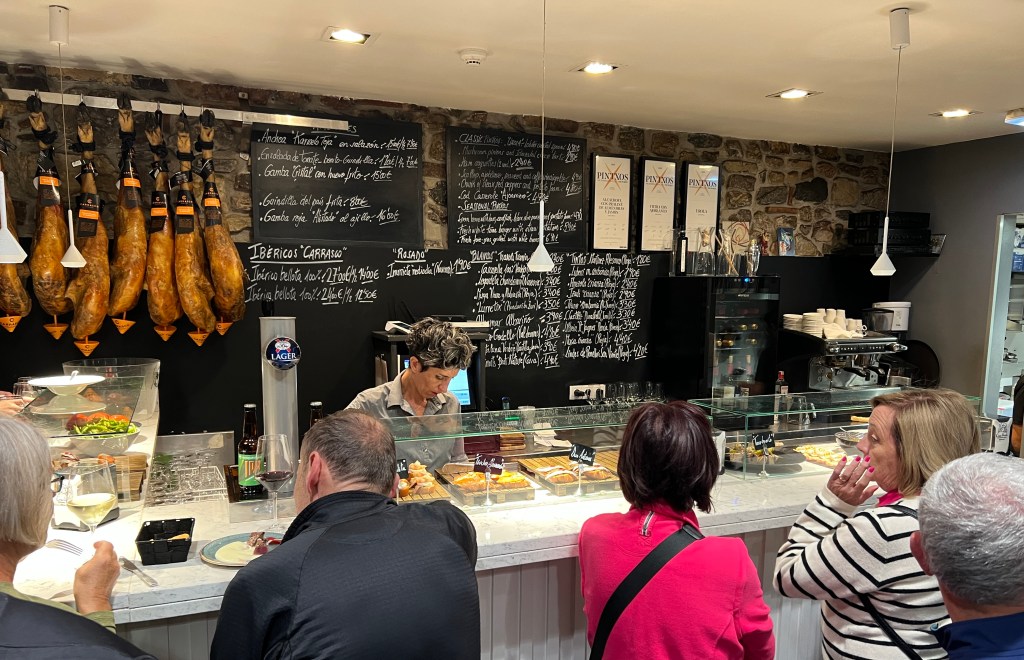
One thing that surprised me is that this tradition is mostly enjoyed standing either along the bar or back wall or outside at a high top table. There isn’t much seating, especially in Parte Vieja. When there were a few small tables crammed inside the bar, they were often for customers ordering larger dishes off menu and not meant as a place to sit after receiving a pintxos from the bar. I was redirected a few times before realizing this norm – it’s a good thing to be aware of when planning your route.
Enjoy the Variety
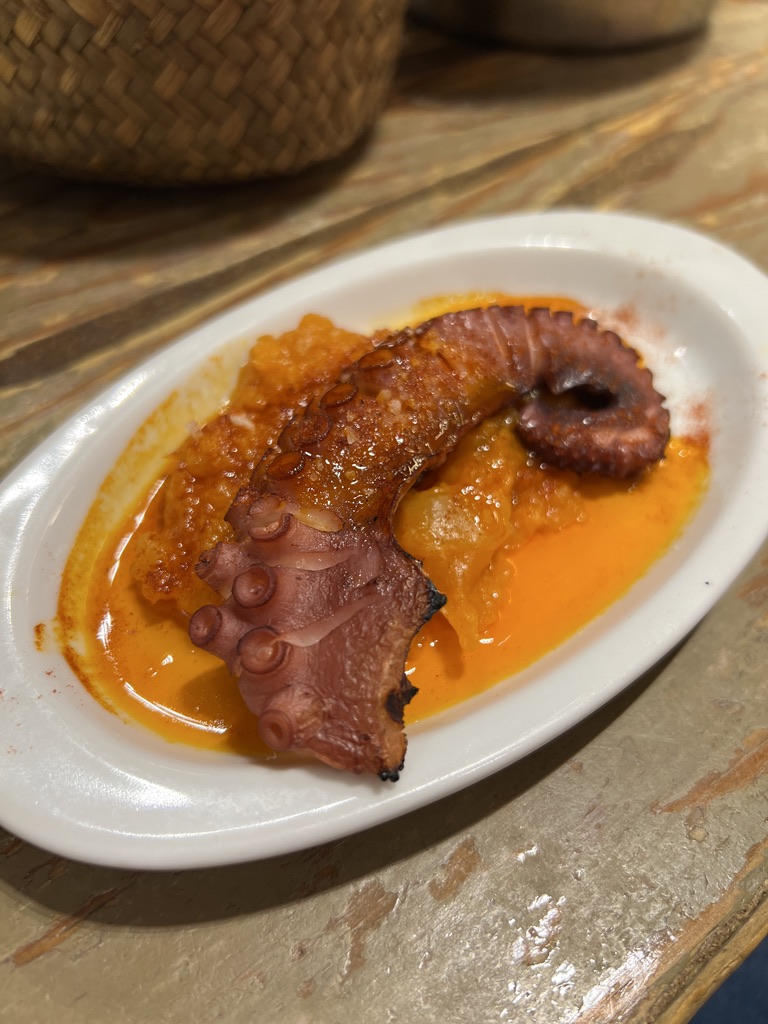
The beauty of designing your own pintxos crawl lies in the variety. Start with classics like anchovies marinated in vinegar (“Gilda”), the steak (“Txuleta”), or the garlic shrimp (“Gambas”). Each bar will have a glass case of pintxos to choose from and a chalkboard menu with even more options. Though it’s tempting to order what you can see, don’t skip on the hot dishes displayed on the menu which can often be tastier than those laid out before you. A few of my favorites included the octopus (“Pulpo”) and the steak.
Discover Hidden Gems
One of the best resources for planning your crawl is by downloading the Pintxos app. Featuring nearly 100 of the best pintxos around town, the app provides top picks from Michelin-starred chefs as well as suggested routes for each district. Whether you stick to the recommended pintxos or pick something else off the menu, this app is the best resource to have on hand.
While the app will lead you to several of the iconic pintxos bars, don’t limit yourself to this list only as there are hidden gems tucked away in quieter corners. Look for places where the Spaniards are or, even better, ask a local to share their favorite spots. Don’t be afraid to ask for recommendations or try something new. You might discover your new favorite pintxo!
End on a Sweet Note
No pintxos crawl is complete without dessert! Head to La Vina for their iconic Basque cheesecake (“Tarta de queso”) and another glass of txakoli or cider of course! The cheesecake is served at room temp and has a slightly different consistency when compared to the New York-style cake so go into it with an open mind, ready to try something new.
Final Thoughts
As your pintxos crawl comes to an end, take a moment to reflect on the flavors, the atmosphere, and the memories made. Each pintxo tells a story of Basque culinary heritage and the vibrant spirit of San Sebastian. Whether you’re a food enthusiast, a culture seeker, or simply someone who loves to eat, San Sebastian’s pintxos crawl promises an unforgettable journey through taste and tradition.
Ah, Paris! The city of love, lights, and endless charm. Planning a whirlwind 48-hours in this beautiful city? Let’s discuss! Whether you’re a first-timer (as I was!) or well on your way to living the full-on Parisian lifestyle, Paris always has something new to offer. Here’s how to make the most of your short stay.
Paris is a city that’s divided in two by the Seine River with the north side being referred to as the “right bank” and the south side as the “left bank”. For a two-day adventure, I’d recommend splitting your time between them though you can start on either side. Having stayed at the Hôtel du Prince Eugène, I started on the right…
Day 1: Exploring the Right Bank
Begin your day with a freshly baked croissant (hello, Pan au Chocolat!) and a café au lait at one of the many boulangeries or cafes throughout the city. Parisian mornings are made for leisurely breakfasts, so take your time and soak in the ambiance.
Visit the Louvre Museum
After starting your day right (see what I did there?), head to the Louvre Museum. Whether you’re stopping by to see this grand sight or planning to venture inside the massive museum halls, the Louvre should not be missed. If you are heading inside, make a plan to see some highlights – this museum is absolutely massive and there’s no way to see it all in one visit. Pro tip: Purchase your tickets in advance to skip the long lines and go early.
People Watch at Jardin des Tuileries
Located next to the Louvre, the Jardin des Tuileries is a beautiful park worth exploring. Filled with statues, fountains, gorgeous landscaping, and a view of the Eiffel Tower, the park is the perfect place to relax and people watch after a visit to the museum.
Take a French Macaron Break
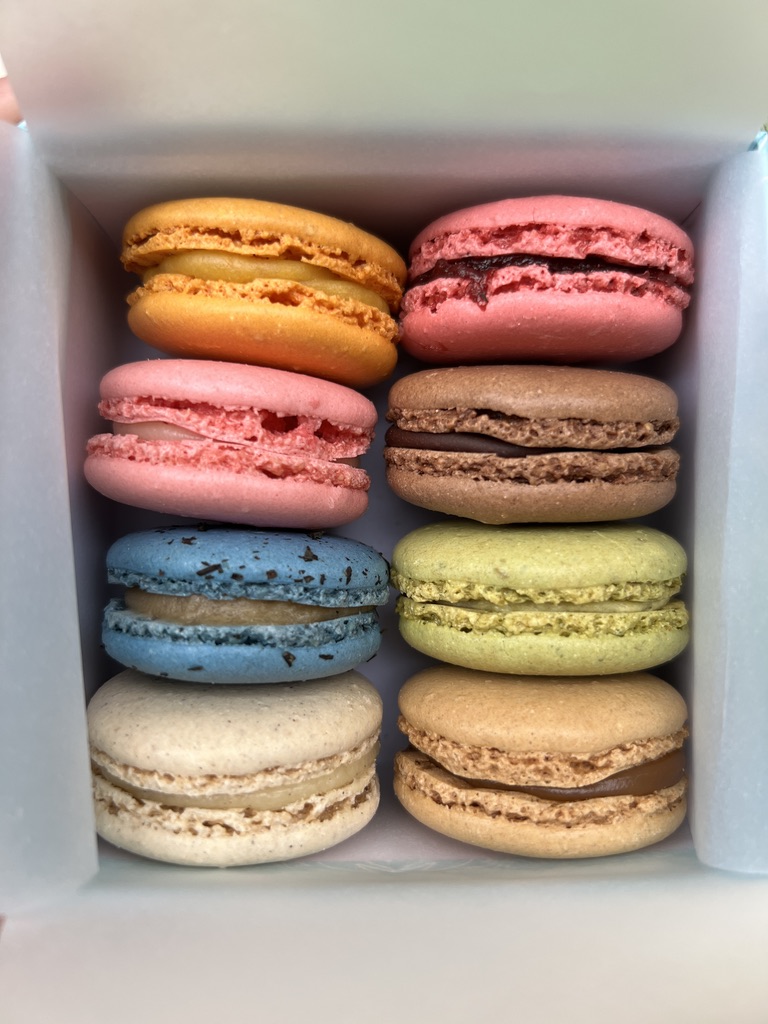
A visit to Paris is not complete until you’ve sampled a delicate French macaron (or several). Head to one of Ladurée’s many locations throughout the city to purchase these bite-sized delights or create your own tasting challenge by comparing Ladurée to the macarons made by its rival, Pierre Hermé. Fair warning, these pretty pastries aren’t cheap so choose wisely. Of the 8 I purchased at Ladurée, the passion fruit (top left in photo) was my favorite.
Happy Hour at a Wine Bar
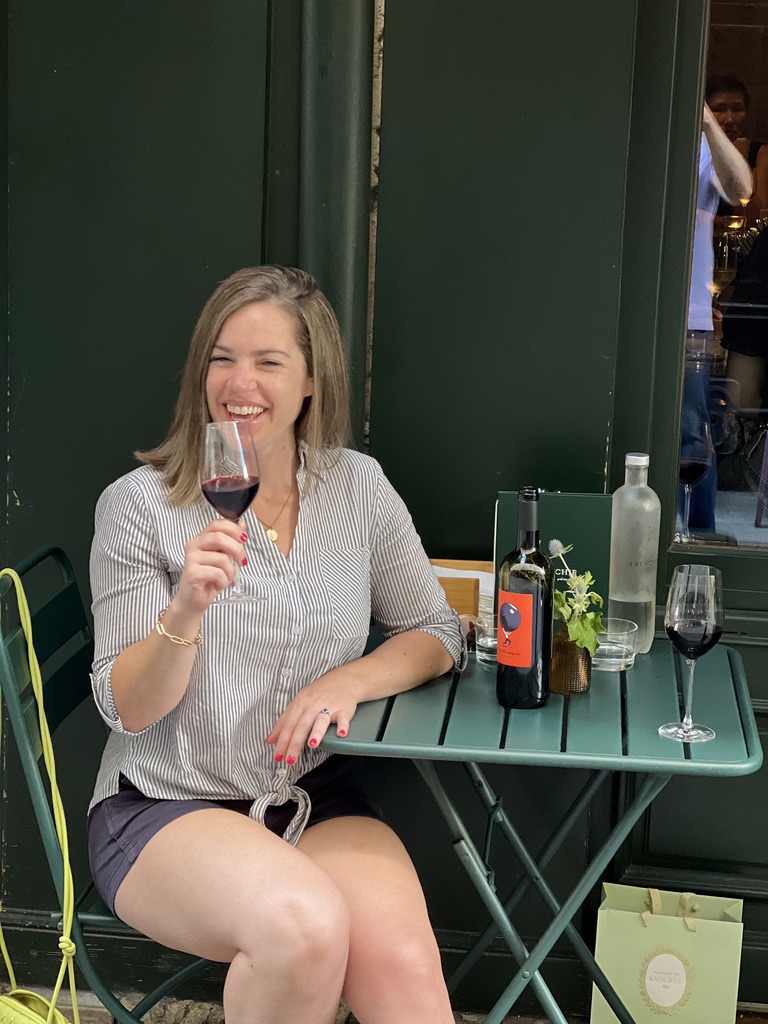
Time for a glass of wine and a snack – you deserve it! Head to one of Paris’ many wine bars, such as O’Chateau, for happy hour or a rosé tasting and a charcuterie platter of meat and cheese. After all, it’s the Parisian way… (okay, I don’t know if that’s actually true but it feels like the right thing to say).
Dinner at a Parisian Bistro
For dinner, immerse yourself in Parisian culinary delights at a cozy bistro, like Frenchie Bar. Located across from its sister restaurant, Frenchie, this spot offers a pared down menu of the same food for a fraction of the cost. Everything I ordered was delicious with 3 dishes and a bottle of wine coming out to just under 100 euro shared between two people. The bistro has indoor and outdoor seating options and is located on a narrow street that feels like you’re exactly where you’re meant to be. Unlike its sister restaurant, this spot does not take reservations so getting there closer to opening is recommended. Bon appétit!
After Dinner Stroll
One of my favorite things about Europe is the walkability of its cities and Paris is no exception. Skip the public transport after dinner and instead opt to walk back to your hotel. Walking is one of the best ways to really get a sense of life in the city and you never know what you might find. In the mood for a night cap? Check out Bar Nouveau and Moonshiner for some delectable cocktails.
Day 2: Adventures in the Left Bank
Can you guess my morning reco? Yep! It’s time for another croissant and/or pastry because this is why you’re here, isn’t it? When in Paris…
Notre-Dame Cathedral and The Latin Quarter
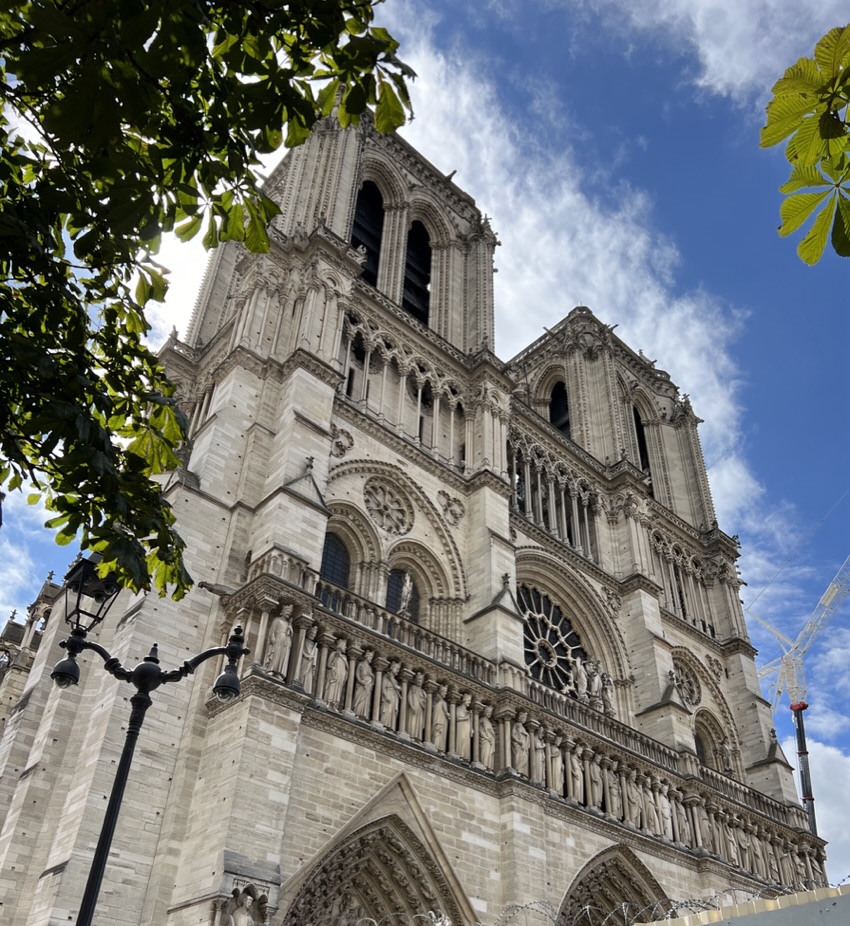
Next head to the iconic Notre-Dame Cathedral and explore the charming Latin Quarter neighborhood. Visitors can admire the Gothic architecture of the cathedral (reopening December 2024) and stroll across the bridge into the Latin Quarter for a perfect afternoon of wandering. This neighborhood is home to cobblestone streets, historic buildings, parks, and food markets. I stumbled upon an open-air farmers market myself and had the best strawberries of my life. Continue on into Jardin du Luxembourg for more people watching and relaxing from all the walking you’re doing. Only 25,000 steps to go!
Shopping and More Charcuteries
After enjoying time in the park, head toward the shops of La Grande Épicerie de Paris and Beaupassage for a mix of high-end food shops, cafes and boutiques. Now would also be the perfect time for another glass of wine or cocktail and a charcuterie board, which is my ideal way to spend the late afternoon.
Grab a Pic with the Eiffel Tower
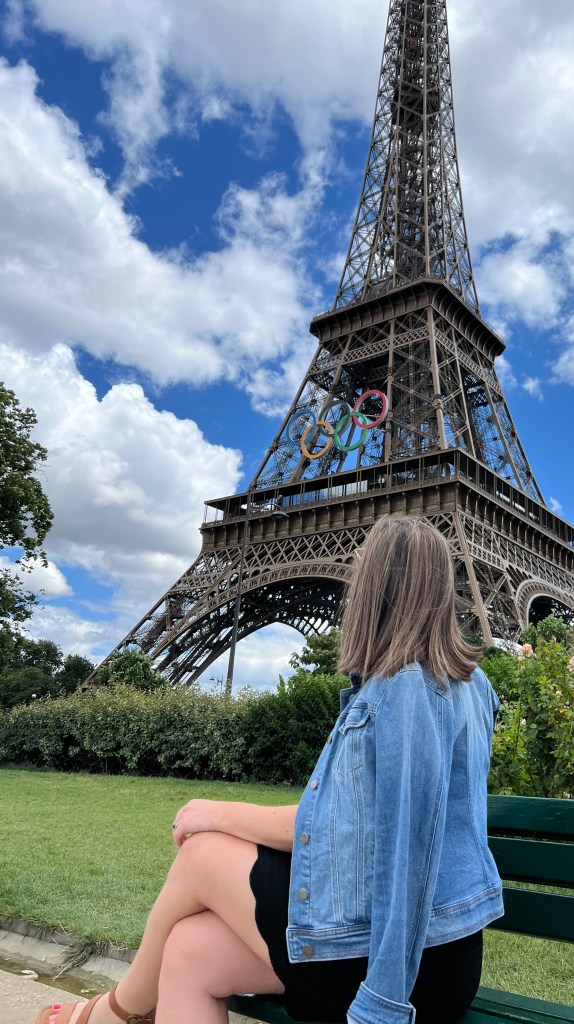
Not to be missed, make your way to the iconic Eiffel Tower for that perfect pic. I was in Paris the week before the 2024 Summer Olympics and enjoyed several Olympic sights, including the rings fastened to the tower. There are a few vantage points along the river that can grant you people-free shots so take the time to wander around before deciding on that Instagram-worthy spot.
Dinner in Le Marais
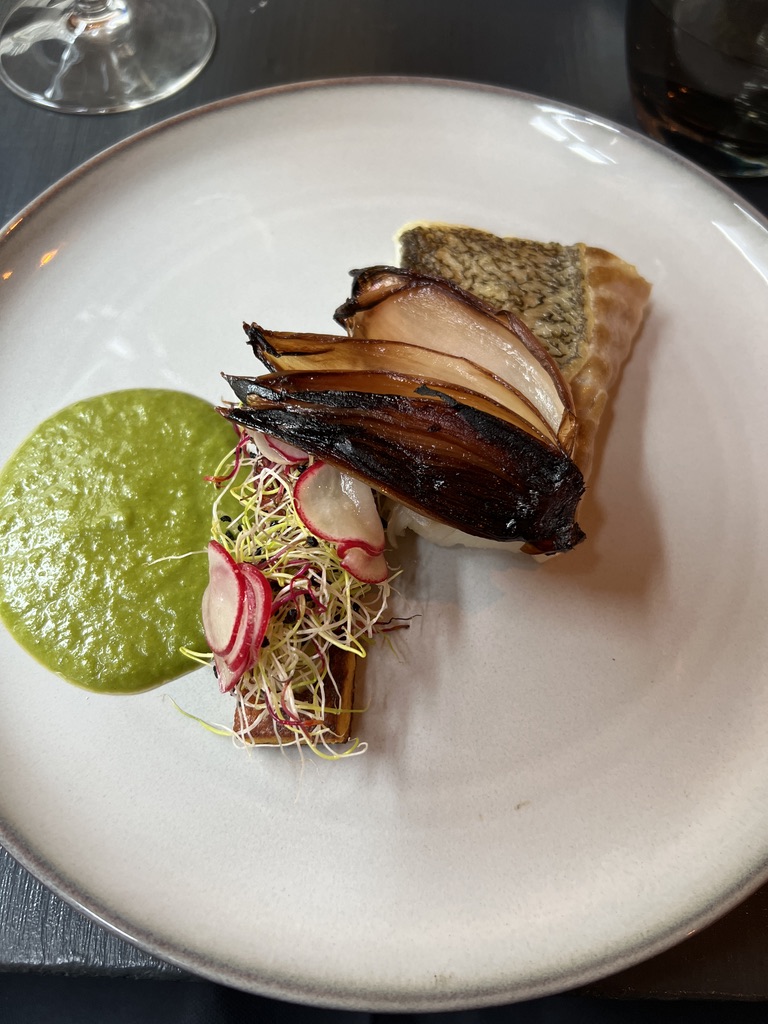
For your final dinner in Paris, head to the neighborhood of Le Marais to choose from its array of dining options. From traditional French bistros to international cuisine, you’ll find something to satisfy your palate. I opted for a 3-course meal with a wine and sake pairing at Ilo and it was absolutely incredible. Cannot recommend this place enough. It is small inside with only a handful of tables so be sure to make a reservation in advance.
Evening Stroll along the Seine
End your unforgettable Parisian journey with a leisurely evening stroll along the Seine River as you head back toward your hotel. The city really is beautiful during the evening and, depending on the time of year, sunset may even be at 10pm!
Final Thoughts
Two days in Paris is definitely short, but with careful planning, you can experience the essence of this iconic city. From historic landmarks and world-class museums to delicious food and charming neighborhoods, Paris is worth the trip regardless of how long you have. Merci Paris, tu es magnifique!
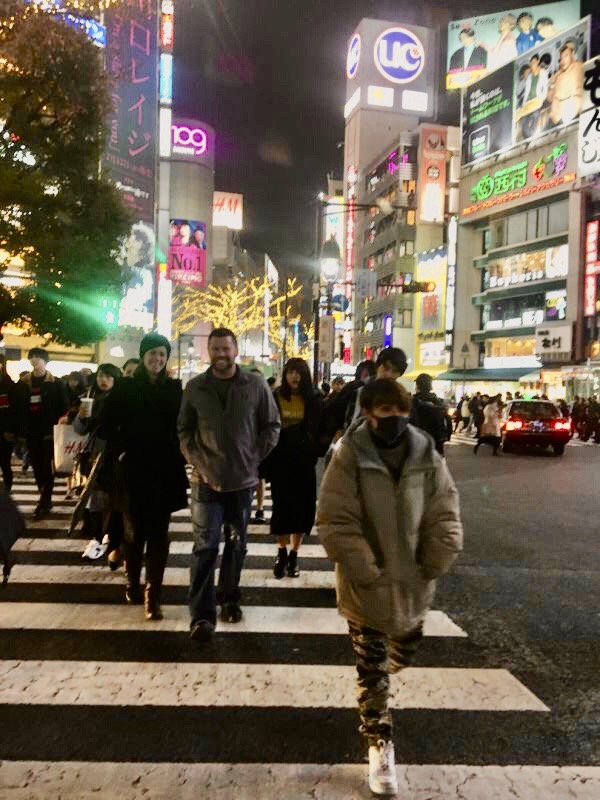
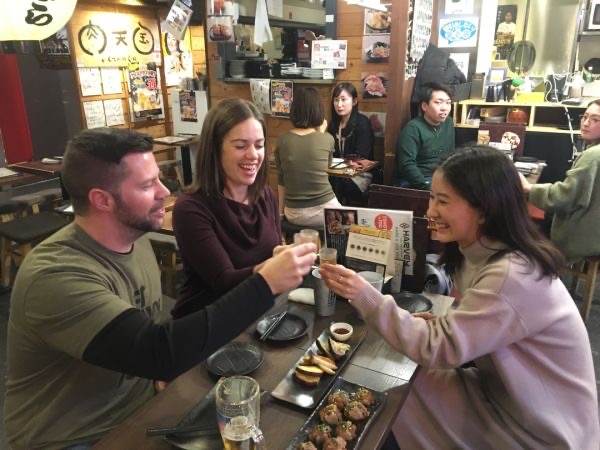
One of my favorite ways to explore a neighborhood is by booking a local tour. After arriving in Tokyo, we knew we wanted to spend time in the Shibuya neighborhood and opted to book this small group bar hopping tour through which included food and drinks at three Izakaya bars. Shockingly, we were the only two people to book the tour that evening in January and ended up with more of a private tour with our guide.
The tour was laid back and a lot of fun. We learned so much from our guide, a 22 year old college student who talked with us about everything from rent prices in the neighborhood to wearing face masks for fashion (apparently wearing a black face mask makes your face look slimmer!). She graciously took photos of us at each stop and also walked us around to some of the famous locations in the neighborhood, including Shibuya Crossing and the bronze statue honoring Hachiko, the famously loyal Akita dog. I’ll be honest though, I didn’t know anything about this dog nor do I remember the story now – ha! The whole tour felt like we were hanging out with a friend for the evening, which can be a nice change of pace when you’re traveling alone or with one other person for an extended period of time.
With three stops throughout the evening, we enjoyed a local beer, a glass of wine and some sake. We noticed at one bar advertisements for a snake wine called Habushu – a snake-infused whiskey with an actual pit viper in the bottle – and knew we had to try it. We ordered three shots of the unique liquor and cheered “kanpai” as we tossed it back. Supposedly the alcohol removes the poisonous snake venom rendering it safe to drink. Thankfully I’m still alive to tell the tale.
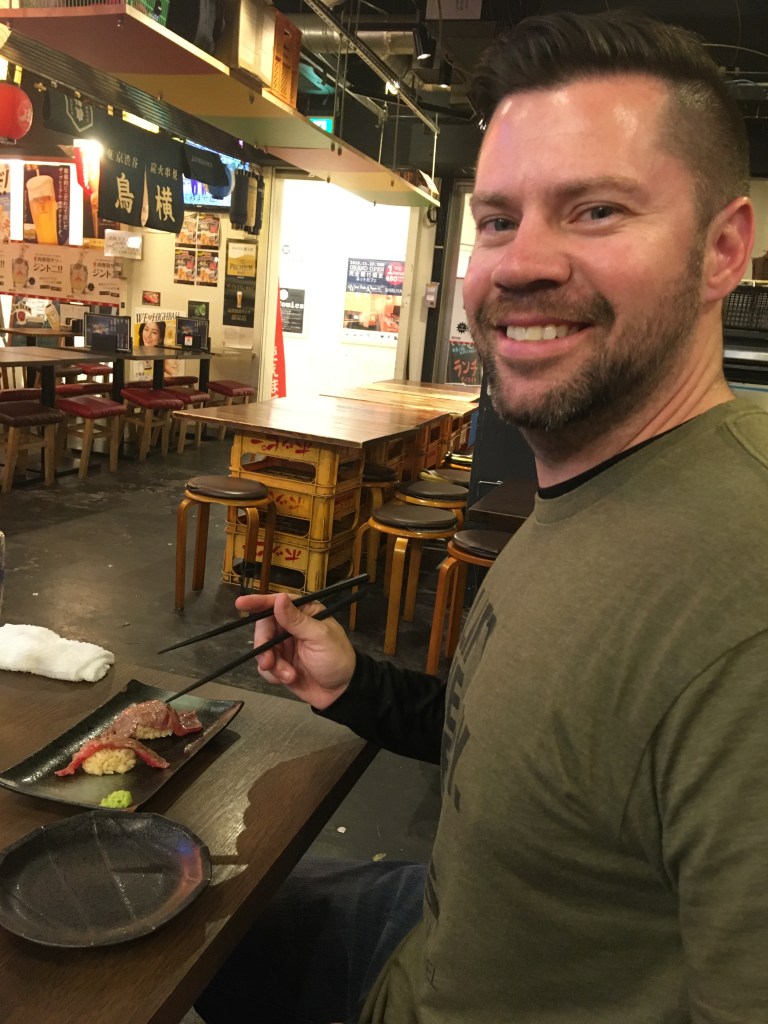
Another favorite moment from the tour was tasting the wagyu beef. Oh my goodness! I could have consumed several more of these delicious flavor bombs. The beef was tender, perfectly seasoned, served on a glob of rice, and “cooked” at the table. It was among the most incredible foods I ate the entire trip. I still dream about it now.
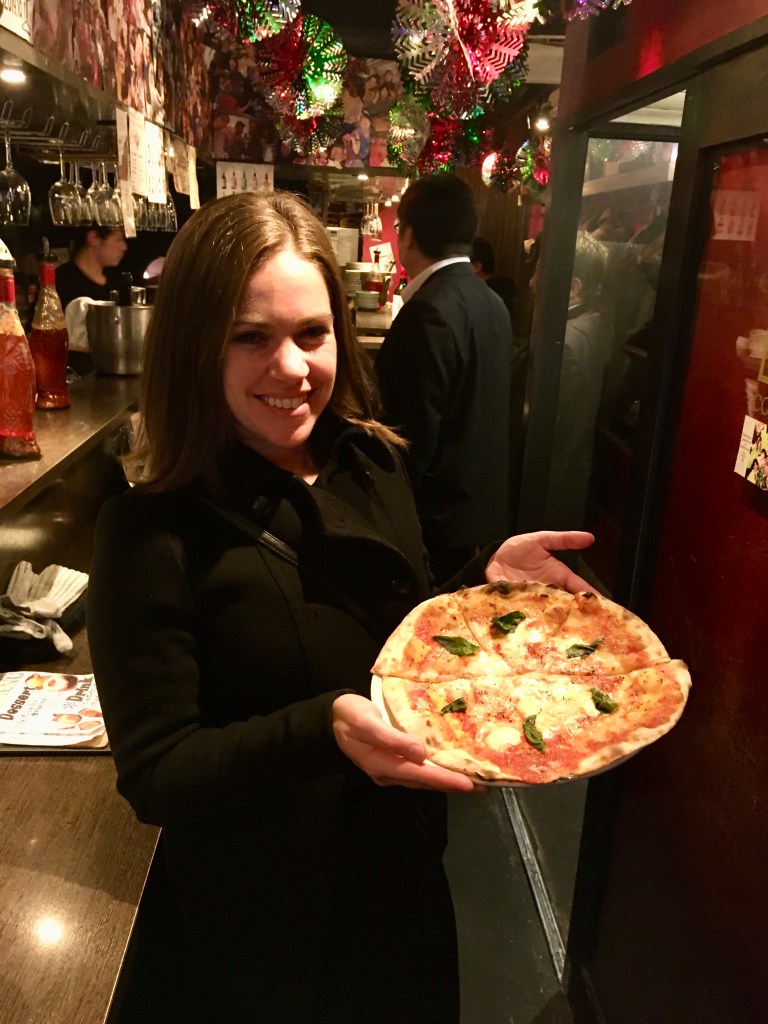
After the tour, we stopped for pizza (yep, in Japan!) at a nearby shop, which was amazing, and popped around to a few other bars nearby. Tokyo has recently received a lot of recognition for having some of the best Neapolitan-style pizza in the world and I was not disappointed. I’m not sure there’s anything in Japan that they don’t do well…The neighborhood was vibrant and busy with noticeably more locals than tourists on this particular Friday night, another great sign, in my opinion. I highly recommend this tour as it was a great way to get a feel for the local neighborhood scene.
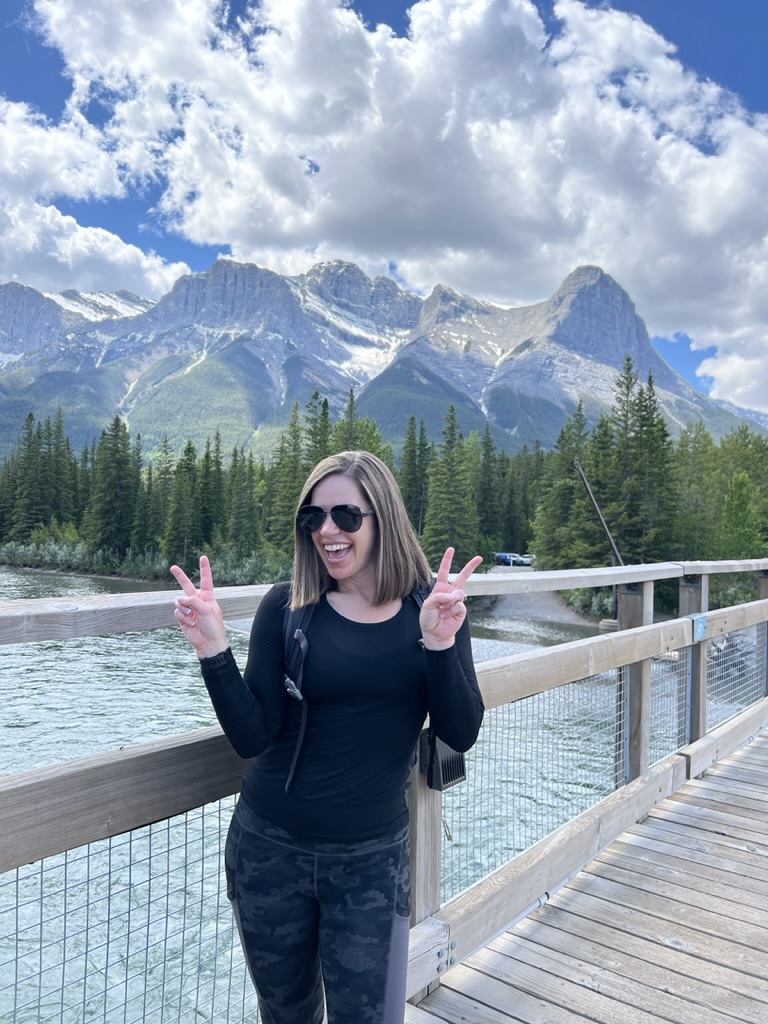
Thanks to another cheap flight deal from Going, I planned a quick 3-day weekend trip to Banff in June for a double birthday trip with a friend. While I was a little nervous about crowds and high prices knowing that it would be high season, I am so glad that we went. The temperature was perfect, it wasn’t as crowded as I’d imagined, the Canadian to US exchange rate was in our favor, and the backdrop looked like a painting – it is absolutely incredible!
Interested in a quick trip to Banff? Read on for my travel itinerary to help you plan.
Packing: Weather in Alberta, Canada can be unpredictable so it’s best to be prepared for all types of situations. For this trip, I packed a rain jacket, hiking shoes, leggings (the exercise kind, not 100% cotton), a fleece or light jacket, short and long sleeve tops, hiking pack/backpack, reusable water bottle, sunnies, and lots of sunscreen. Depending on the time of day, you’ll likely find a need for all of these items.
Getting There: Calgary (YYC) is the closest international airport to the national park and was relatively easy to fly into. After arriving, we picked up the rental car and drove 90 minutes west. It’s an easy drive that’s a straight shot once you’re outside of the city with views that get better by the minute.
Stay: The town of Banff gets especially crowded and pricey during the summer high season so we opted to stay just 20 minutes outside in a neighboring town called Canmore. Canmore is often hailed as a great place for families to stay though I’d argue it’s ideal for anyone who doesn’t want to spend a fortune on their sleeping arrangements. How much time are you even spending in there, anyway?
We stayed at Canmore Rocky Mountain Inn and I was pleasantly surprised by the amenities, size of the room, and close proximity to the downtown area in Canmore. The hotel offers breakfast to-go bags for $5 and includes a yogurt and granola parfait, fruit, juice, and pastries from a local bakery. You’ll need to request it in advance but the desk is open 24 hours so that’s easy to do. This hotel also offers a wine and cheese happy hour daily form 5-6pm and free bike rentals. I would absolutely stay here again.
Day 1: One reason I loved staying in Canmore was the amount of trails, restaurants, and natural beauty surrounding the town. While I definitely think you need to get into Banff National Park, it’s also worth spending time in Canmore as there’s plenty to do and see there as well. After arriving in Canmore, we opted for grabbing lunch at The Local before heading out to explore. With the weather as gorgeous as it was, I knew I wanted to eat somewhere with outside seating options, which is exactly what The Local offered. With several lunch offerings on the menu, I enjoyed a burger and salad with a glass of rose. Cannot complain!
After lunch, we popped into a convenience store to purchase bear spray (yes, you actually need it if you’re hitting the trails) and then headed off on a trail that circled the Rundle Forebay Reservoir. Walking around the reservoir was beautiful, though the trail itself was not quite what I was expecting as it was directly in the sun nearly the entire time and was not marked at all.
As we trekked along, we noticed several “No Trespassing” signs near residential neighborhoods and power plants but the signs were also directly on the path with no other options to head in another direction. Another confusing thing was the several other trails that seemed to merge into or run directly next to it (see: Powerline Trail) and since it wasn’t well marked, it was easy to get a little lost. We eventually made it back to town but it was frustrating to navigate and definitely increased our number of steps that day.
For dinner, we headed to Grizzly Paw – Tank 310, which was excellent. The restaurant is upstairs from the brewery itself and has the most incredible mountain views. We didn’t have a reservation but thankfully were still able to grab a seat. The food was somewhat of an Asian-Italian fusion and the cocktails were made from their in-house beverages. We loved it and highly recommend. Don’t risk missing the chance to eat here…make a reservation!
Another intriguing thing about visiting Banff in the summer is the late sunsets. We ate dinner later and enjoyed golden hour and sunset views at 9:45pm. This does mean that the sun is up earlier too but that just means you’ve got a very long day to squeeze in lots of activities.
Day 2: Time to get to it! Day 2 was focused on time in the national park, both in the town of Banff itself as well as exploring around Lake Louise and Lake Moraine. Being that it’s high season, the roads leading to the two famous lakes are closed to through traffic and therefore requires visitors to book the park shuttle (or a tour like this one!) to visit. You’ll want to book this in advance as the shuttles book up. I was in the check in line when I overheard a family discussing with the ticket agent alternative options nearby after learning that the shuttle tickets were sold out. Do not expect to walk up and purchase shuttle passes day of – there will not be any available in the high season.
Before our afternoon shuttle reservation, we spent time wandering around the town of Banff, which was more crowded than Canmore but still not anything ridiculous. We popped into a few shops for browsing and souvenirs, grabbed a sandwich at a local coffee shop for lunch on the go and headed to our shuttle meeting point. This is another thing that requires advanced planning as the national park is massive and it is about a 45 minute drive from the town of Banff to the lake shuttle meeting point. The drive through the park is amazing – it looks like a painting! We also spotted 3 bears walking along the tree line next to the highway, which was about a close as I needed to be.
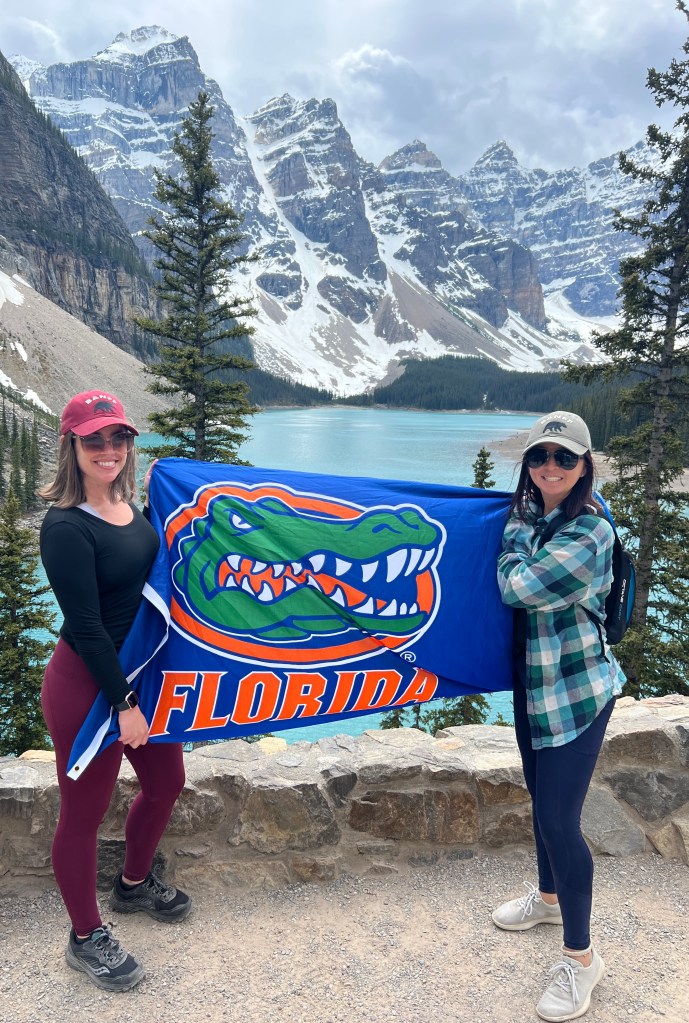
After arriving at the meeting location (aka a giant gravel parking lot), we boarded our shuttle for an additional 30 minute ride to Lake Moraine. You can select either lake to start your journey, though I’d recommend doing Lake Moraine first because it was much less crowded both at the site and on the shuttle since most people start with Lake Louise first. The two lakes are glacier-fed which gives them an incredible blue color. There are several trails that surround the lakes as well as a tea house to hike to at each location so there’s lots to do. We were seriously sore from our 27,000+ steps the day before so we mostly stayed around the lake.
Lake Moraine has a short trail that leads you up to a higher vantage point and is the way to go. The views are unforgettable! You’ll likely have to exercise patience to snap a photo without other people in your background but it’s worth the wait. We were there for about an hour before boarding the shuttle again to take us to Lake Louise, which was another 30 minute drive.
Lake Louise was waaayyy more crowded. We’d found all the people! Lake Louise is where you’ll find the famous Fairmont Chateau as well as the opportunity to rent canoes to take out on the lake. I will say though that the rentals are very expensive and also require advanced reservations. We skipped this and instead enjoyed watching people figure out navigating the lake in their canoes.
The lake shore is lined with large rocks that are perfect for posing and is exactly what you’ll find people doing as you wander along. Again, being sore, we didn’t stay too long but we did enjoy more people watching and took advantage of some photo opportunities as well. From here, it was back on the shuttle and back to the parking lot.
For dinner we selected Park Distillery as we were interested in doing a tasting of their gins and ordered some delicious Canadian seafood dishes. Seriously, I was really impressed with all of the food we had over the entire weekend. Everything was great! After dinner we popped in to a few local artist shops and then headed back to Canmore. The streets, shops and restaurants were much busier in the evening than it had been earlier in the day but overall, still not bad.
Pro Tips:
Buy your park pass in advance. When entering the national park, you’ll need to show your national park pass and, though it can be purchased on site, there’s often a line to buy it. For those who’ve purchased the pass in advance, you’ll shoot straight through and will just need to display the pass in your car windshield while at the park.
Reserve the Lake Louise and Lake Moraine shuttle in advance. This one books up during peak season so make a plan to purchase your passes before you go. The national park sells approximately 60% of the passes in advance and the remaining 48 hours prior to so if it’s “sold out” when you’re looking to buy, check again a few days before you’re planning to visit.
Buy bear spray after arriving. Though you’ll pay more of a premium, airlines typically do not allow you to travel with bear spray in your carry on or checked luggage. While it may make sense to purchase the spray in advance from Amazon and tuck it in your bag, check with your airline and plan to purchase it after arriving. Bear spray seems to be more necessary in the summer. We saw several large digital signs warning about bear activity and reminding hikers and bikers to take the spray with you. You likely won’t need it but I think it’s more than worth having the additional protection with you should you need it.
Go early. This applies to several contexts but first and foremost, if you’re going to travel during the peak season, go at the start of the season to experience less crowds. I didn’t think mid-June was terrible but can only imagine how much busier Banff gets come July…
Visiting Banff National Park has been on my bucket list for a while now and, though it was a short trip, I am so grateful for the opportunity to travel to this stunning destination. It truly is a gem!
There are many reasons we travel… we travel to see new places, to learn about other cultures, to meet new people, to see history come to life, and even to taste new foods and one of my favorite ways to to hit all of those reasons in a single activity is by booking a cooking class. Booking a cooking class can offer a unique experience that goes beyond the typical tourist activities allowing you to engage all of your senses at once.
Here are 5 reasons why you should book a cooking class during your next adventure:
1. Taste the Authentic Flavors
One of my favorite benefits of taking a cooking class while traveling is the chance to taste authentic flavors. When you book a class, you’re paired up with a local chef who understands how to cook traditional dishes using local ingredients and techniques. After taking a cooking class in a new country, I’ve often found myself reflecting on the dishes we made and realizing that they were among the best I had on the entire trip! Want to make it even more authentic? Find a cooking class that starts at a local market to shop for the ingredients you’ll use to cook the dishes!
2. Gain Insight into Local Culture
Food is an integral part of any culture as it often reflects that culture’s history and traditions. By joining a cooking class, you’ll gain valuable insight into more of the local way of life and have the opportunity to interact with local chefs who know a thing or two about food. I always treat a cooking classes like a tour – where would the chef recommend for dinner? What are the restaurants he/she takes friends and family to when they visit? It’s one of the best opportunities to learn about how locals live (and eat!).
3. Learn Culinary Skills
Whether you’re a home cook or are just here to eat, taking a cooking class can build your culinary knowledge and skills. The best cooking classes will have a chef that’s leading the group and providing on the spot feedback as you work to build your meal. Experienced chefs often share insider tips and techniques such as how to hold your knife, the best way to chop an onion, and can even explain how much salt is enough salt for a dish. I’ve carried at least one cooking tip with me after every cooking class I’ve booked and can often be found trying to replicate the dishes as soon as I’m back home.
4. Make New Friends
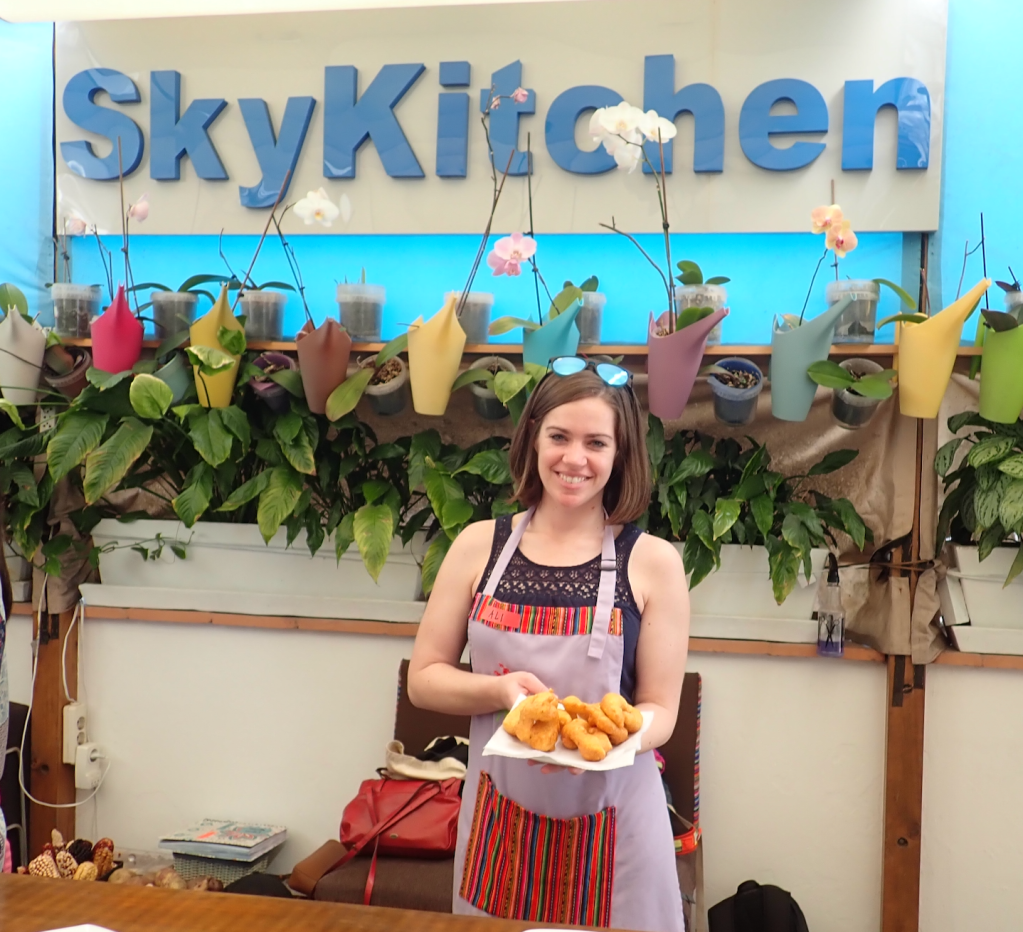
I enjoy solo travel but will admit that it can be lonely at times and one of the best things I can recommend for any solo traveler is to book activities like a cooking class that allows you to meet people. On a solo trip to Barcelona, I booked a cooking class as a way to meet people and left with plans to meet up with two new friends later that day to visit the Picasso Museum. Whether you’re traveling solo or with a friend/significant other, a cooking class provides a fun way to connect with others while sharing a meal that you made together.
5. Support the Local Economy
When you book a cooking class, you’re not only benefitting your stomach, you’re also supporting the local community. Many cooking classes are led by local chefs who take pride in their work and expertise and who often prioritize other small-scale food producers in the process. By participating in a local cooking class, you’re helping to support local economies and share cultural traditions, which is something we all benefit from together.
Final Thoughts: Booking a cooking class while traveling will not only please your stomach, it will also benefit you and the local community on a deeper level that will stay with you for years to come…and may even leave you craving more!
Curious about some of the cooking classes I’ve booked? Check out a few of them linked below:
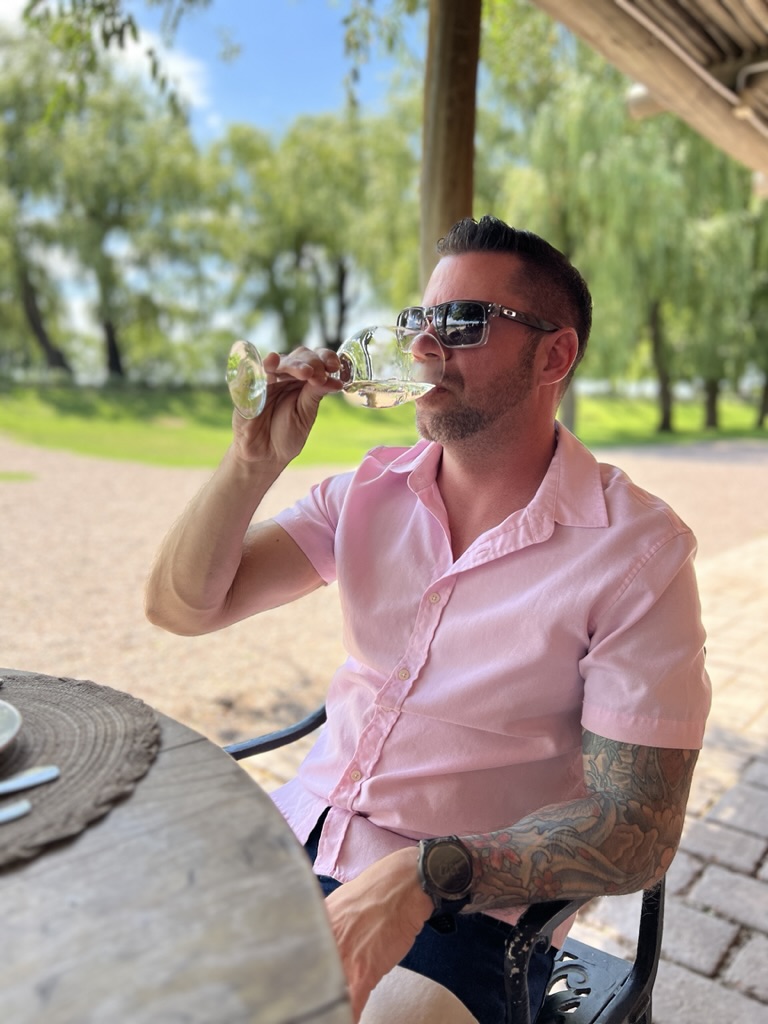
As I began drafting this post, it dawned on me that I drink a lot of wine. Like, a lot. Especially while traveling. Whether I’m doing a wine tour, visiting a wine region, finding wine bars in cities, or simply deciding where to travel based on my desire to drink that country’s wine, wine is a central travel theme for me.
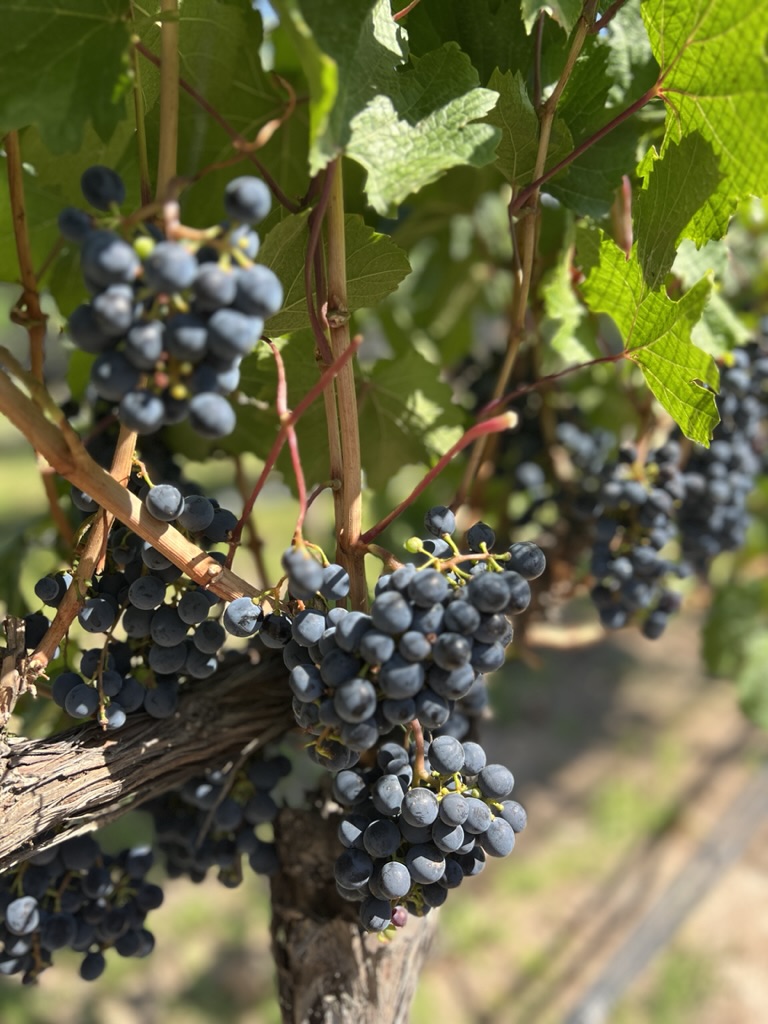
I’ve traveled to several wine regions around the world and believe there’s something magical about visiting the place of origin. From the moment I took my first sip of wine while on a tour in Tuscany, I immediately realized how much more enjoyable wine is when drinking it where it was born! And then there are the views… from the rows of vines to the bunches of grapes just waiting to be picked, visiting a vineyard truly is a special experience. There are many wine regions across the globe and I’m highlighting a few that I’ve visited to date (and one coming soon)!
Napa Valley, California
We’ll start our voyage in the U. S. of A. with one of the most famous wine regions, Napa Valley. While visiting friends in Sacramento, I took a day trip to Napa to sample some of the much loved (and very expensive) California wine. Sipping on everything from Chardonnay and Pinot Noir to full-bodied Cabernet Sauvignon and late harvest dessert wines from Far Niente and James Cole wineries, we enjoyed a full day of tastings around the valley. With over 400 wineries, it can be difficult to choose which ones to visit. I tend to prefer the smaller, boutique wineries to the larger and more well-known producers but regardless of where you sip, you’re sure to be impressed by the experience.
Porto, Portugal
Heading east from Cali, the next wine region I’m highlighting features the delicious port wines of Porto, Portugal. To be fair, the producers’ vines are actually located a little east of Porto in the Douro Valley, but they’ve all set up wine houses in Porto for your tasting delight and for this I was thankful because oh my goodness they were good! You can go it alone (reservations recommended) or book a tour like this tour for your visit. As I popped in to each wine house, I learned there are several styles of port including red, white, rosé and tawny. Prior to this visit, I only knew about tawny – and this is why you travel, friends! So much to learn (and taste)! Porto’s wine houses are clustered across the Douro River in Vila Nova de Gaia and offer something for everyone from rooftop views of the city to wine cellars housing thousands of bottles aged to perfection. If you have extra time, I’d also recommend considering a Douro Valley tour like this one to visit the wineries themselves. Overall, Porto is a must-visit when in Portugal, if it’s not on your list already.
Tuscany, Italy
Located in the heart of Italy, the Tuscan wine region is stunning with its rolling hills, medieval villages, countless vineyards, and seemingly endless olive groves. Love a good bottle of Chianti? Then this is your place! After taking a train from Rome to Florence, I jumped on a Chianti wine tour and learned about the rich family history (honestly I’d say it’s mostly family drama – ha!) surrounding several of the wineries and sampled several earthy Tuscan reds and learned about olive oil production, too. If you’re interested in art, history, family drama, and culinary traditions, make Tuscany a priority on your trip to Italy.
Santorini, Greece
Greece’s Santorini wine region is one of the country’s (and arguably the world’s) most unique wine-producing regions. Located on the island of Santorini in the Aegean Sea, this region is known for its volcanic soil, indigenous grape varieties, and traditional winemaking techniques. As our Wine Tasting & Sunset Tour took us to 3 wineries, I learned about the low-lying vines expertly woven into basket shapes to help protect the fruit from Santorini’s intense sun and strong winds and sampled dry white wines made from the Assyrtiko grapes as well as dessert wines from sun-dried grapes. Don’t miss this special region!
Wine Regions of Australia
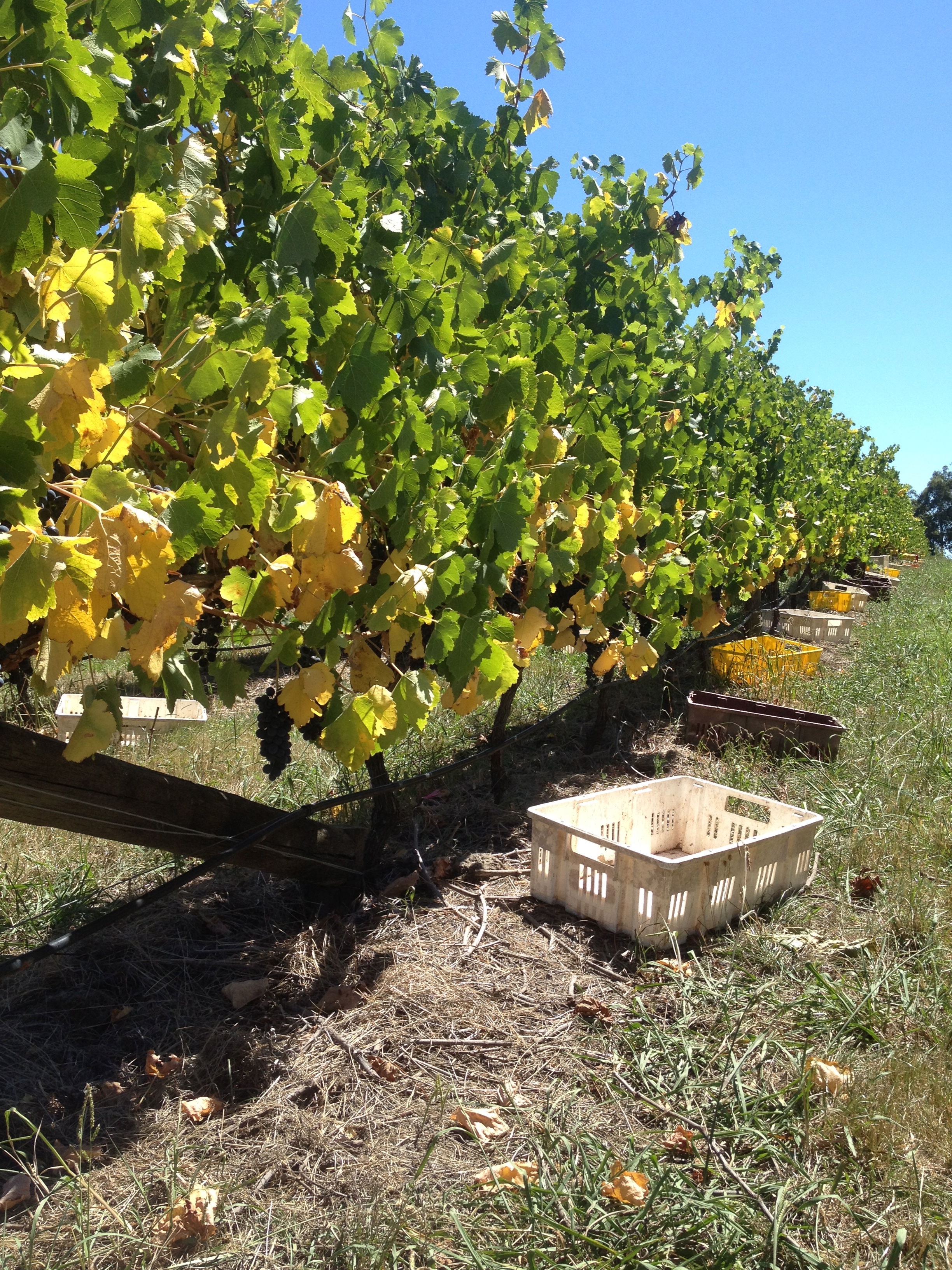
I was lucky enough to spend 9 months traveling (and occasionally working) in Australia and made it a point to visit a smattering of the more than 60 (!!) wine regions across the country. Located mostly along the southern coasts and the island of Tasmania, Australia’s wine regions deserve to be recognized. In the same way that Australians do not drink Fosters, they also do not drink the terrible wines that we know of as “Australian” such as Yellow Tail (gag) or 19 Crimes (gross). Australian wines are creative with interesting notes and grape blends that I have not experienced anywhere else. The biggest issue with Australian wine? It’s hard to find any of the good stuff in the US! Here’s where I went:
Hunter Valley: Located approximately 2 hours north of Sydney, I selected a hot air balloon as my mode of travel throughout this wine region. The tour included a sunrise ride followed by breakfast and sparkling wine. This being my first hot air balloon adventure, I was a little nervous as I watched the ground move further and further away but as I started to look out across the vines, I settled in and enjoyed the views. It was incredibly peaceful! As we began to descend for our landing, we drifted down toward a field where two kangaroos were locked in a boxing match. It was a perfectly Australian moment.
Yarra Valley: Just outside of Melbourne, this is one of many wine regions that make up Australia’s largest cluster stretching from Melbourne to Adelaide. I opted for a Full-Day Gourmet Wine Tour with Go West Tours to 4 wineries around the region which was amazing. I think somewhere between 3-4 wineries in a day is the sweet spot for me and what I loved about this tour is that it mixes in a few gourmet treats as well. It really was an incredible day exploring Australia’s Yarra Valley, which you can read more about here.
Margaret River: Located 3 hours south of Perth in Western Australia is my favorite region. Margaret River features inventive wine blends and is an area that’s geographically like no other with a combination of vineyards, caves, and international surfing competitions in one compact area. Plan your own visit or book a day tour from Perth like this one.
Tasmania: The heart-shaped island south of Melbourne is one of the most pristine and unique places I visited in Australia. From its fresh seafood to its crisp wines, Tasmania is a destination not to be missed and is one in which many native Australians have not yet visited either! Tasmania is proud of their products and is least likely to export their wines so if you want a sip, you may have to plan a visit and book this half-day wine tour. Highly recommend!
Auckland, New Zealand
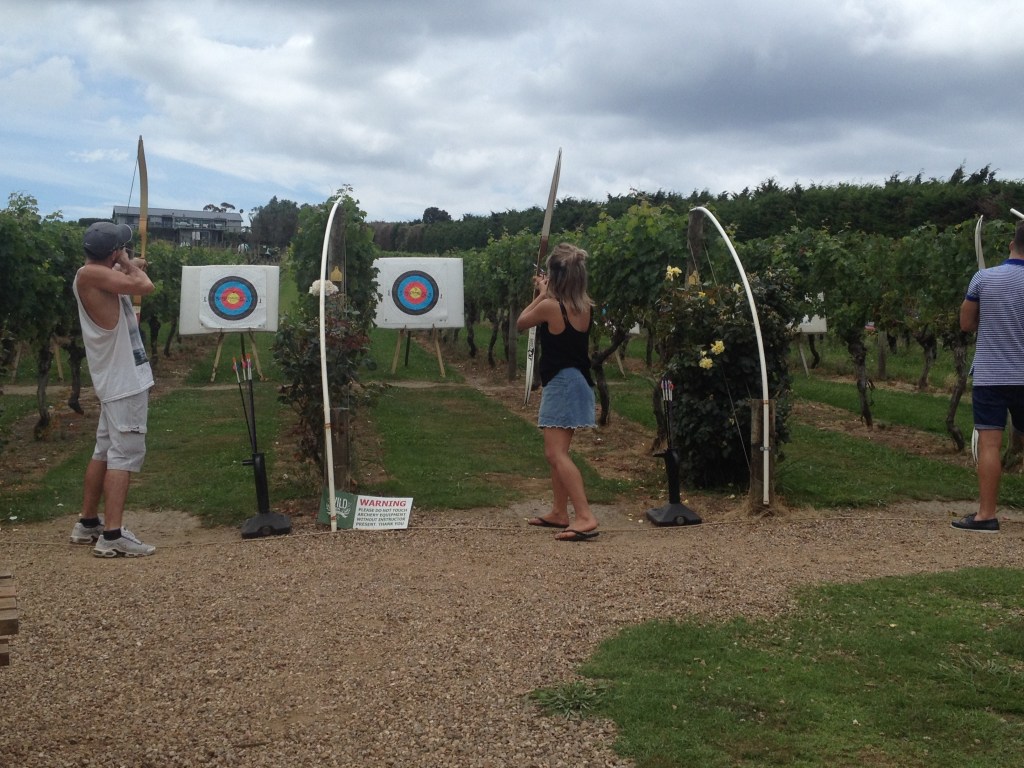
While Marlborough might be the most well-known, New Zealand actually has 10 distinct wine regions throughout its two islands. New Zealand is a cool-climate producer of varieties including Sauvignon Blanc, Chardonnay, Pinot Noir and Pinot Gris. I visited the Auckland wine region, taking a ferry from Auckland to Weiheke Island, to sample some wine. I’m not a huge white wine gal but was impressed by the whites I sipped for their crisp and flavorful taste. Also, the vineyard was a really cool space to spend some time with comfortable bean bag chairs facing the vines and games available for playing including archery. Wine + bow and arrows? Why not!
Champagne, France
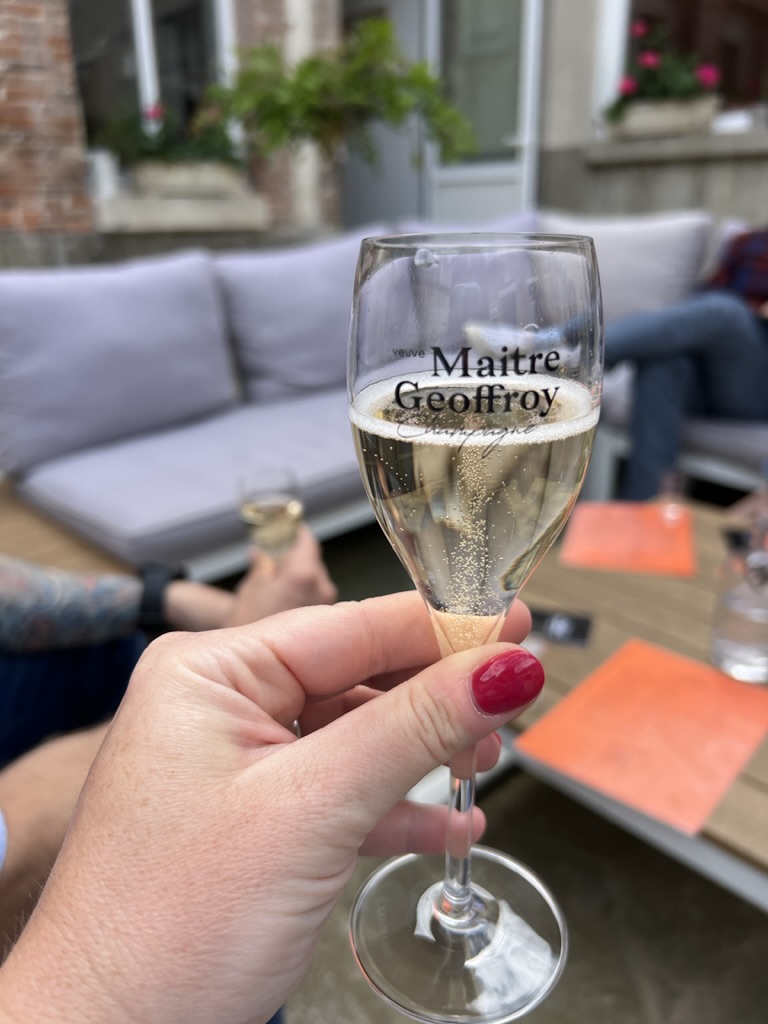
Sparkling wine comes in many different varieties, such as cava from Spain and prosecco from Italy, but arguably the crown for the best sparkling wine in the world goes to champagne from France. Produced solely in the Champagne Region, these delicate bubbles are governed by a very strict and specific process that takes time and precision to get right. Located just a short 45-minute train ride from Paris, the town of Reims is the perfect headquarter for a visit to this beautiful wine region. I selected a small group sparkling wine tour to take me out into the countryside for tastings and tours, which you can read about here. It is an experience I highly recommend and can be paired with a visit to the famous champagne houses located in the town of Reims.
Mendoza, Argentina
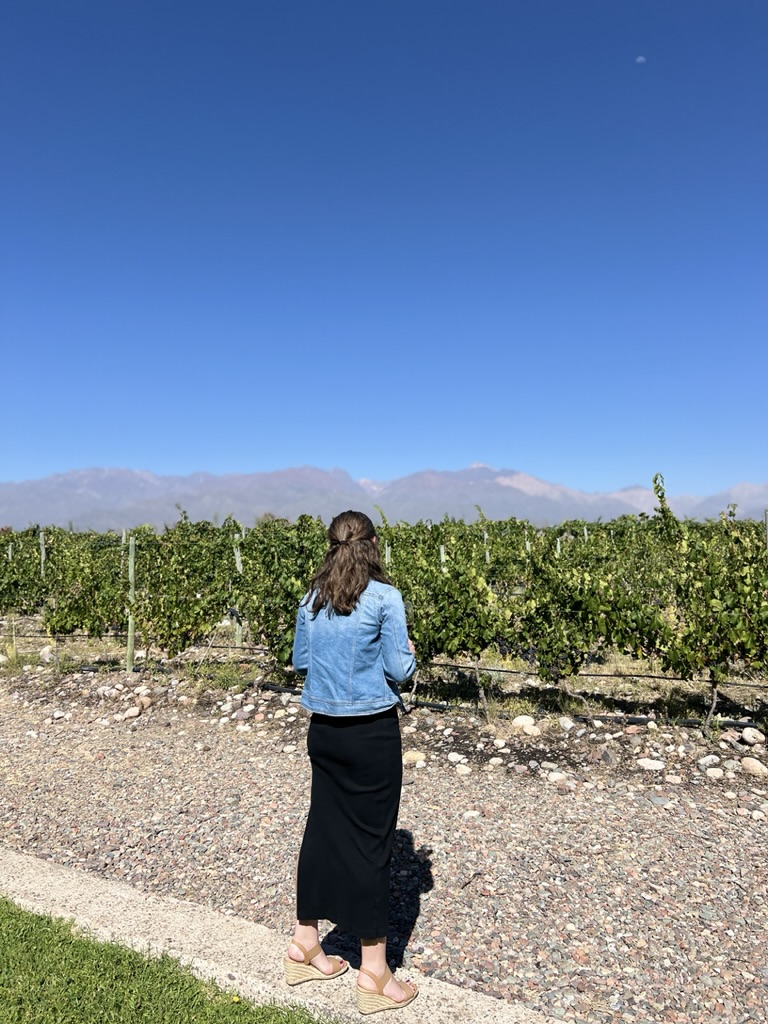
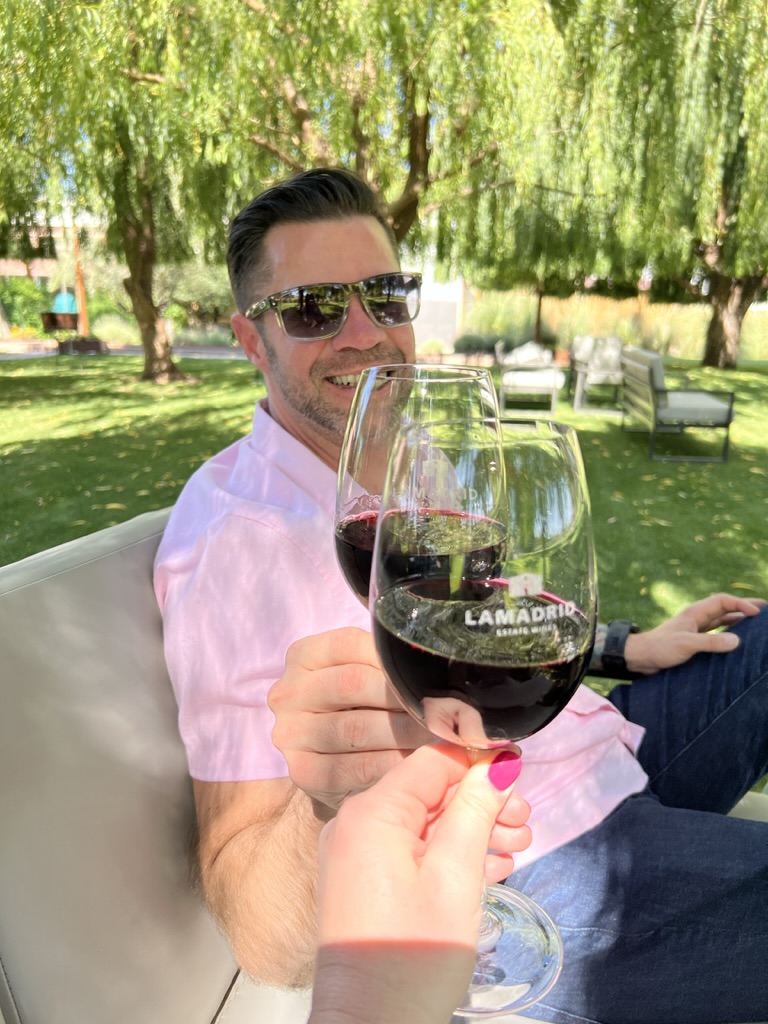
Set against the backdrop of the Andes Mountains, this region produces some of South America’s most celebrated wines, including one of my favorites, Malbec. We traveled to Mendoza in February 2025 during Argentina’s peak summer months and just a few weeks before harvest. The wineries are spread across three smaller subregions, each of which receive a lot of sunshine and border the surrounding Andes mountain range. I’ve got a full post about the experience here – it did not disappoint.
Whether you’re a serious wino or just like drinking in beautiful settings, exploring the world’s wine regions is an adventure that’s sure to be memorable. So grab a glass (or two!). Cheers!












































 ALI IN OZ